

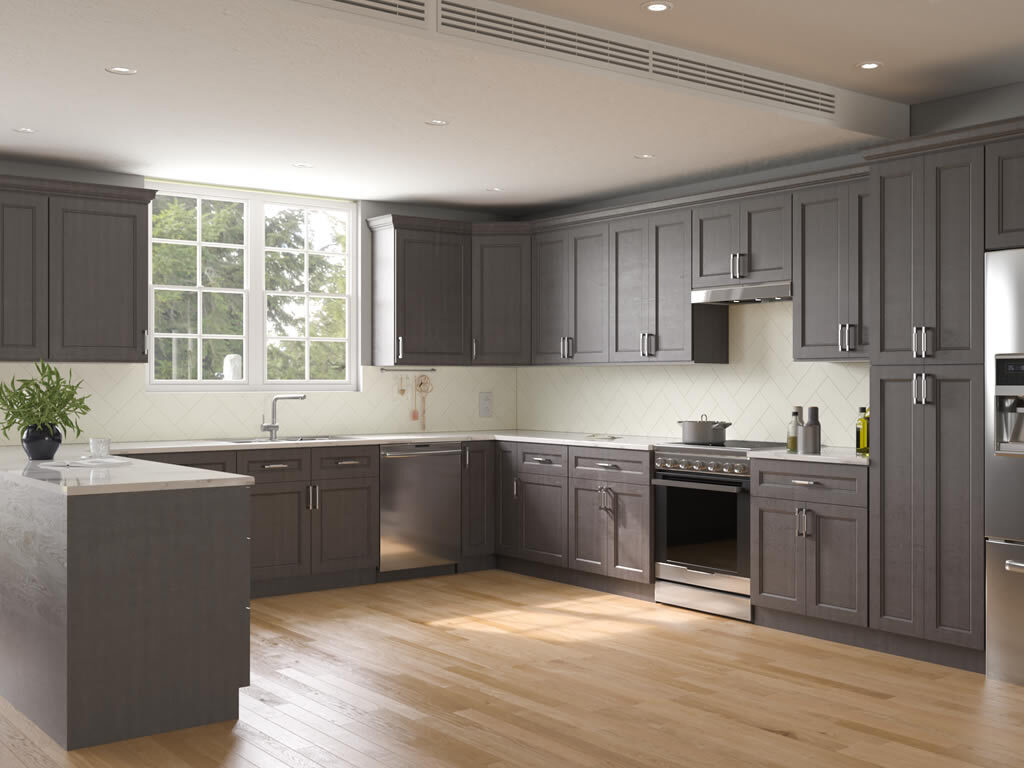
Kitchen Cabinets & Vanities Blog
Why MDF is Commonly Used for Kitchen Door Frames?
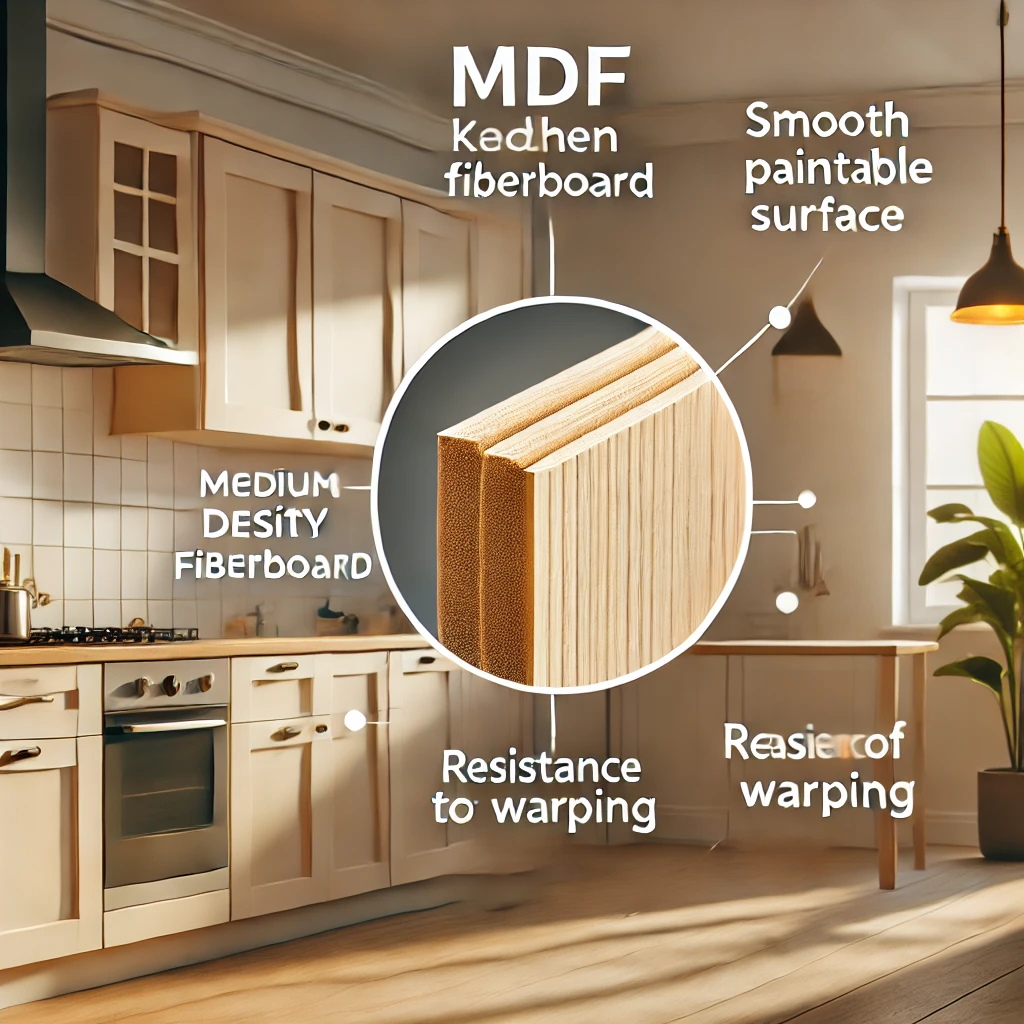
When homeowners compare cabinet door styles, the conversation usually starts with color, profile, and hardware. But what your door is made from matters just as much—especially in a kitchen, where heat, humidity, and daily wear can expose weak materials fast.
That’s why MDF (Medium Density Fiberboard) shows up so often in kitchen door frames and panels, especially in painted cabinet lines. MDF has a reputation for being practical, consistent, and cost-effective. In the right application, it performs exceptionally well and delivers the clean, modern finish many homeowners want.
At House of cabinet, we prefer materials that respect classic construction logic: stable where stability is needed, strong where strength is needed, and finished in a way that holds up over time. MDF, used correctly, fits that traditional standard.
What MDF Is (In Plain Terms)
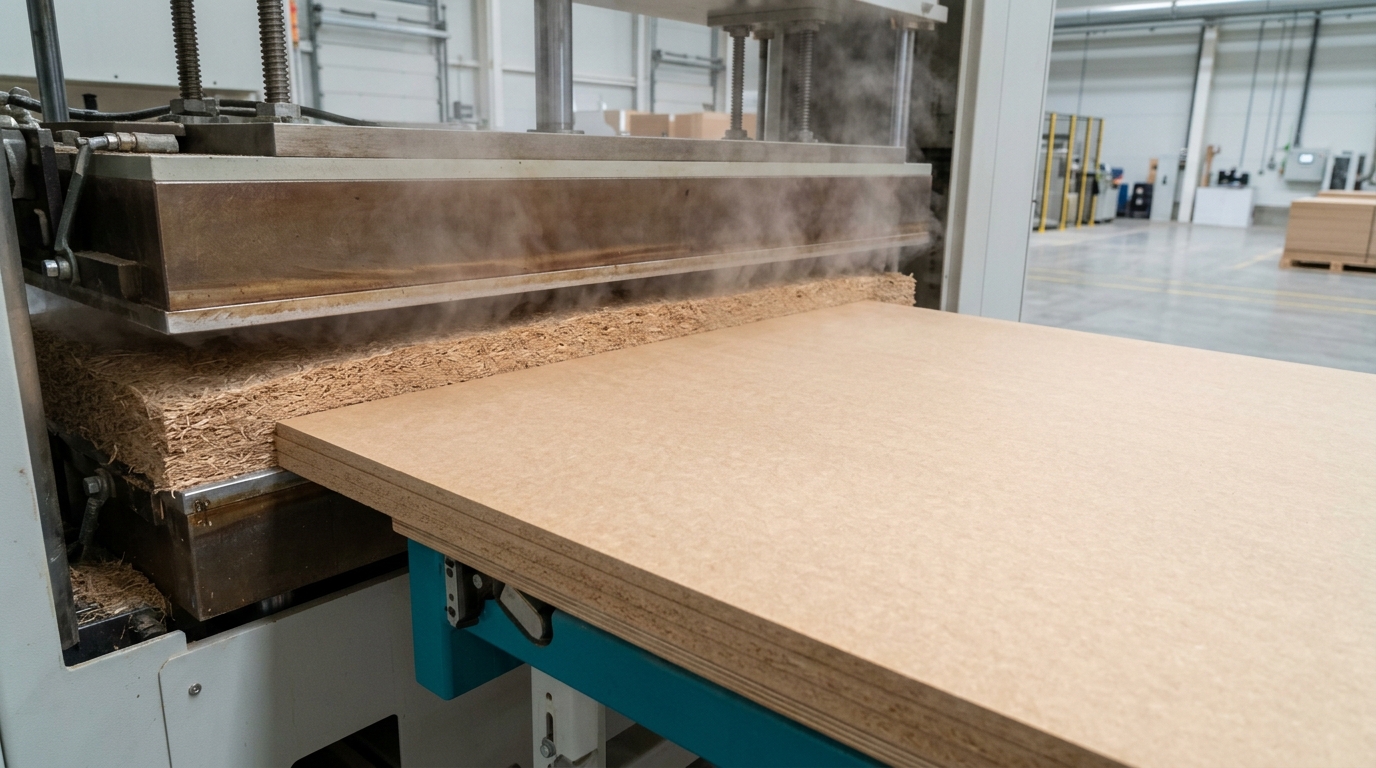
MDF is an engineered wood product made from fine wood fibers combined with resin and compressed into dense, uniform panels. Unlike natural wood, MDF has no grain pattern, which is one of the reasons it behaves differently—and why it can be a smart choice for cabinet door components.
The Main Reasons MDF Is Used for Kitchen Door Frames
1) It creates a smoother painted finish than many solid woods
Painted cabinets are popular because they look clean and bright, and they work with almost any design style. MDF’s big advantage is that it has a flat, consistent surface that takes paint evenly.
With some solid woods, grain telegraphing can appear over time—especially with lighter paint colors. MDF helps reduce that “texture showing through” problem, which is why it’s so common in crisp white, soft gray, navy, and other painted finishes.
2) It’s stable and resists warping better than many natural woods
Kitchens are harsh environments. Steam, cooking heat, and seasonal humidity shifts can cause solid wood to expand and contract. That movement can lead to:
-
slight twisting
-
hairline cracks in painted joints
-
seams opening at door corners
MDF is engineered for dimensional stability, meaning it tends to move less with humidity swings. That stability helps doors keep their shape and helps paint finishes stay cleaner-looking longer.
3) It’s cost-effective without looking “cheap” when finished correctly
MDF often reduces material cost compared to all-solid-wood door construction, but the visible result—especially on painted cabinetry—can look premium.
This is one of the most practical reasons MDF is widely used: it lets homeowners put budget into higher-impact upgrades such as:
-
better drawer slides and hinges
-
pull-out organizers
-
thicker countertops
-
lighting upgrades
-
higher-quality hardware
4) It’s easier to machine clean profiles and consistent shapes
Kitchen door frames and panels often include routed details—like Shaker profiles, bevels, or decorative edges. MDF machines cleanly and consistently, which helps manufacturers produce doors with:
-
uniform reveals
-
consistent edge detail
-
fewer defects
That consistency is a big part of why MDF shows up in popular door styles where repeatable accuracy matters.
5) It works especially well in Shaker-style and modern painted doors
A lot of American kitchens use Shaker doors because they feel timeless. MDF is often used for the center panel or portions of the door construction because it supports that crisp, minimal look—particularly when you want a smooth painted finish.
Where MDF Makes the Most Sense
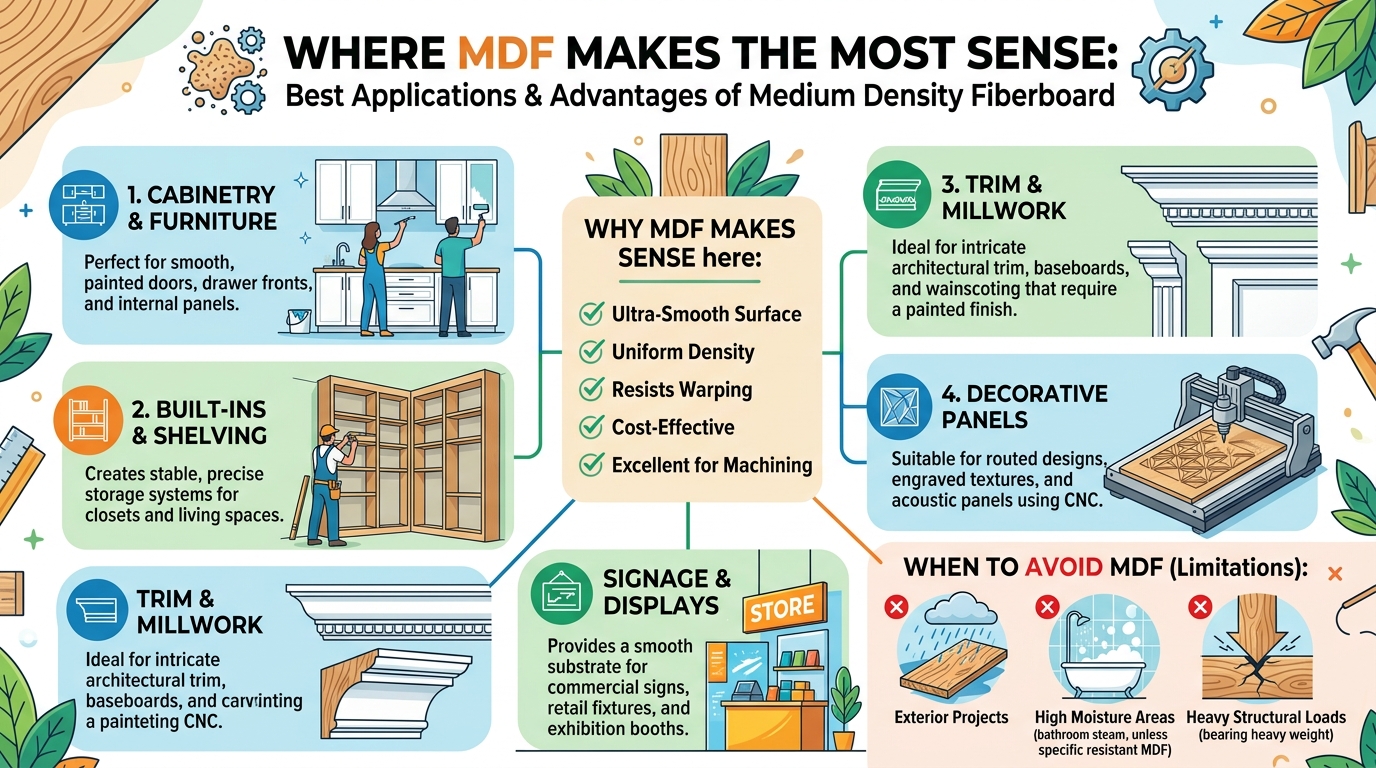
MDF is usually a strong choice when:
-
You want painted cabinets
-
You prefer a smooth, modern finish
-
Your home experiences seasonal humidity changes
-
You want strong value without sacrificing a polished look
In other words, MDF is often chosen not because it’s “the cheapest,” but because it’s predictably stable and paint-friendly.
When You Might Choose Something Else
MDF is not the best answer for every cabinet situation. Here are cases where other materials can be a better fit:
If you want a stained wood look
MDF isn’t meant for stain in the same way real wood is. If you want visible grain and rich natural character, look at solid wood species or veneered options designed for stain.
If the doors will face repeated direct water exposure
MDF does not like standing water. Around sinks, dishwashers, or areas where moisture sits, you need good finishing and responsible use habits. If a household is rough on cabinets—frequent splashes left to sit—other materials may be more forgiving.
If you want maximum impact resistance on edges
MDF is dense but can be more vulnerable to edge damage if it takes a hard hit. Good finishing helps, and many kitchens never have an issue—but it’s worth knowing if you have high-traffic conditions (kids, pets, heavy daily use).
How to Make MDF Cabinet Doors Last Longer
MDF performs best when it’s paired with smart choices and classic care habits:
Choose quality finishing
A strong, well-applied paint finish matters. Durable coatings help protect MDF from moisture and everyday wear.
Protect edges and seams
Most cabinet wear starts on corners and edges. Avoid slamming doors, and consider soft-close hinges and drawer slides.
Clean gently, dry consistently
Use a soft cloth and mild cleaner. Most importantly, wipe up water around sink areas quickly—simple habits protect any cabinet material, not just MDF.
Ensure proper kitchen ventilation
A vent hood that actually vents outside (when possible) helps reduce moisture and heat buildup, which benefits all cabinetry.
Final Take
MDF is commonly used for kitchen door frames because it delivers what many homeowners want most: a smooth paint-ready surface, strong stability, and excellent value—all while supporting clean, consistent door construction.
If your goal is a modern, refined painted kitchen that still respects timeless design principles, MDF can be a smart and dependable choice—especially when the cabinet line uses quality finishing and hardware.
Categories
Recent Posts
- Forevermark vs Fabuwood Cabinetry: Which One Is Better for Your Kitchen Remodel in the USA?
- 2025 Kitchen Cabinet Trends & Why Black Base Cabinets Are Taking Over
- Affordable Multi Unit Cabinets – Cost Efficient Property Renovations
- Kitchen Cabinet Frame – Structure and Support
- IKEA Kitchen Cabinets & Kitchen Planner – The Complete Guide for Your Next Remodel