


Filter by brand


-

-

-

-
-
-

-

-
-
-
-

-
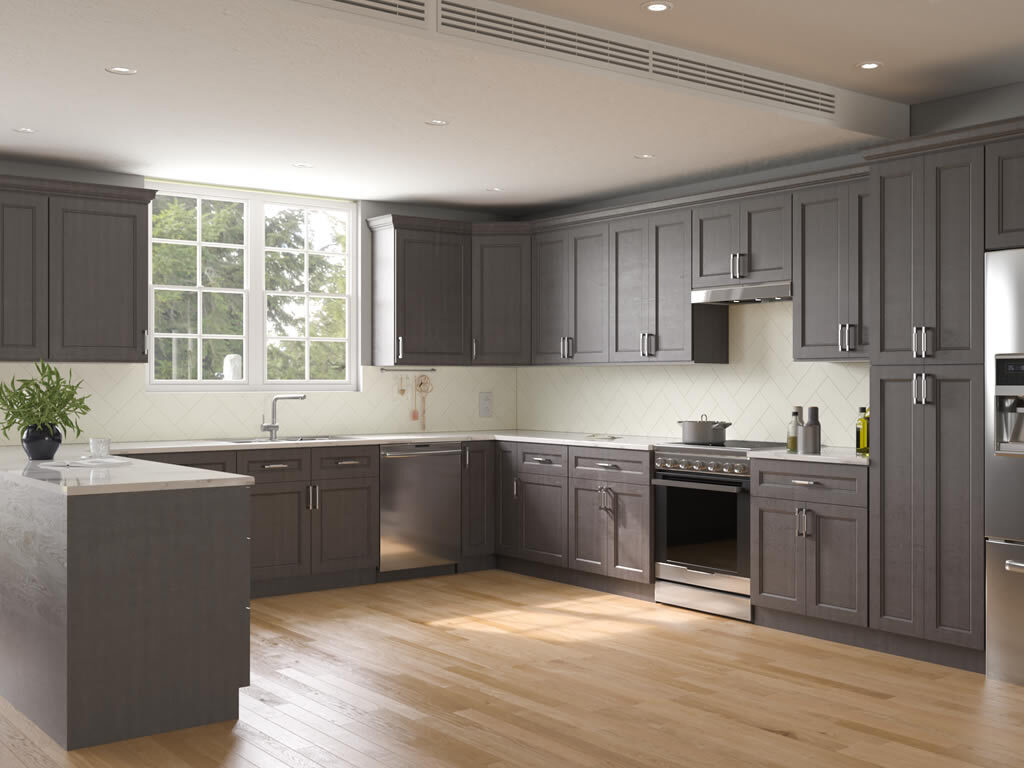
Trim details are essential elements that enhance the aesthetic appeal and functionality of kitchen cabinets. These finishing components create a polished, cohesive look while adding character and style to the cabinetry. Whether you prefer modern minimalism or traditional elegance, trim details provide the perfect way to elevate your kitchen design.
What Are Trim Details?
Trim details are decorative or functional elements installed around or on cabinetry to refine its appearance. These include moldings, panels, and edge treatments, which add depth, texture, and dimension to the kitchen design.
Common Types of Trim Details
Crown Molding
Installed at the top of wall cabinets.
Adds height and a finished look, ideal for traditional or transitional kitchens.
Light Rail Molding
Attached underneath wall cabinets.
Conceals under-cabinet lighting and adds a decorative touch.
Baseboard or Toe Kick Trim
Covers the base of lower cabinets.
Provides a seamless transition between cabinets and flooring.
Decorative End Panels
Enhances the sides of cabinets with matching or contrasting designs.
Creates a custom, built-in appearance.
Trim Strips or Edge Banding
Used on cabinet edges to cover raw materials and create a smooth finish.
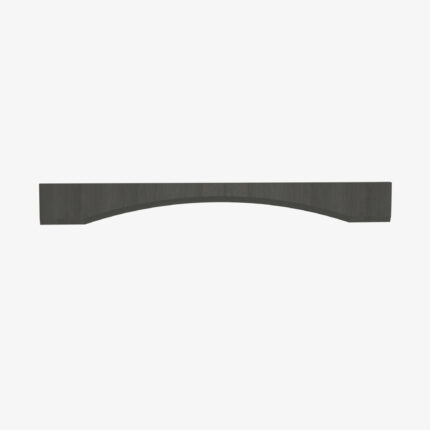
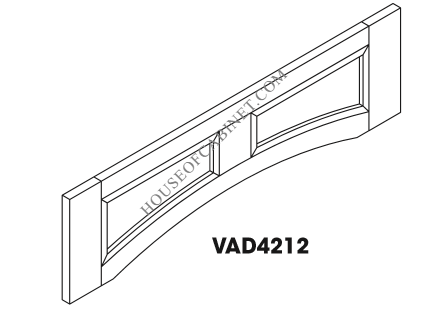
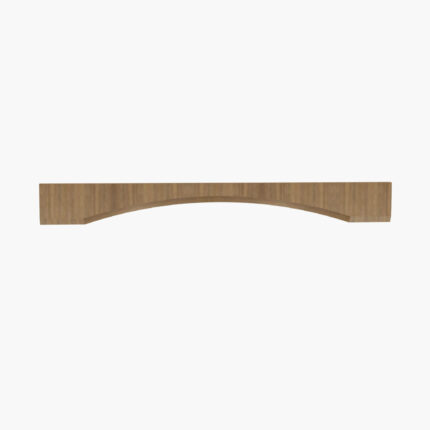
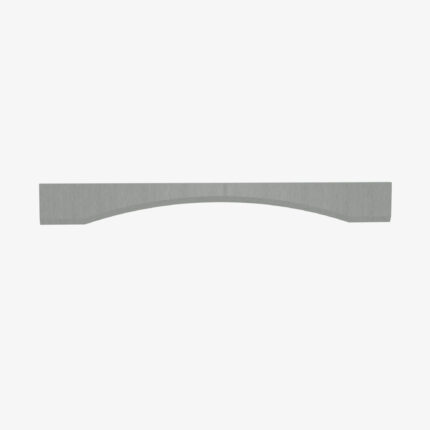
Valance
A decorative horizontal trim often placed above sinks or windows.
Adds a stylish framing element to cabinetry.
Pilasters and Corbels
Ornamental features for supporting countertops or as decorative accents.
Common in classic and rustic kitchen designs.
Benefits
Aesthetic Enhancement
Adds elegance and sophistication to cabinetry.
Seamless Integration
Helps cabinets blend with architectural elements like walls and ceilings.
Customizable Styles
Available in various materials, colors, and designs to match any theme.
Increased Value
Improves the overall look and perceived quality of the kitchen.
Functional Purposes
Hides gaps, uneven surfaces, or hardware for a cleaner appearance.
Materials
Solid Wood
Offers a premium, natural look and can be stained or painted.
Medium-Density Fiberboard (MDF)
Cost-effective and smooth, ideal for painted finishes.
Plywood
Durable and lightweight, often used for structural trim.
Plastic or PVC
Moisture-resistant and suitable for high-humidity areas.
Metal
Modern and sleek, often used for minimalist or industrial designs.
How to Choose the Right Trim Details
Match Your Kitchen Style
Traditional: Opt for crown molding, corbels, and ornate trims.
Modern: Choose flat panels, edge banding, and simple designs.
Transitional: Blend classic and contemporary elements for versatility.
Consider Cabinetry Color and Finish
Use matching trim for a unified look or contrasting trim for visual interest.
Focus on Proportions
Ensure the size and scale of the trim complement the cabinets and overall kitchen space.
Think About Functionality
Incorporate trims that serve practical purposes, such as hiding lighting or sealing gaps.
Installation Tips
Measure Precisely
Accurate measurements ensure a perfect fit and seamless appearance.
Use Quality Adhesives and Fasteners
Secure trim with appropriate materials for long-lasting durability.
Paint or Stain Before Installation
Pre-finishing trims make the process cleaner and more efficient.
Seek Professional Help for Complex Designs
Intricate trim work may require expert craftsmanship.
Maintenance
Clean Regularly
Dust and wipe trims to maintain their appearance.
Inspect for Damage
Check for cracks, peeling paint, or loose sections, and repair promptly.
Repaint or Stain When Necessary
Refresh the finish to keep the trim looking new.
Why Invest in Trim Details?
Trims are more than just decorative elements; they are vital for creating a cohesive and high-quality kitchen design. By adding depth, dimension, and a personal touch, these finishing features elevate cabinetry and make your kitchen truly stand out. From crown moldings to edge banding, the right details can transform ordinary cabinets into extraordinary focal points of your home.
Trim Details for Kitchen Cabinets and Vanities
Trim accessories add the perfect finishing touch to kitchen cabinets and vanities enhancing their visual appeal and style. Common options include crown moldings for the top edge, light rail moldings to conceal under-cabinet lighting, and base or toe kick trims for a polished bottom edge. These decorative elements not only elevate the design but also provide functionality by hiding gaps and creating a seamless, cohesive look in your space.