

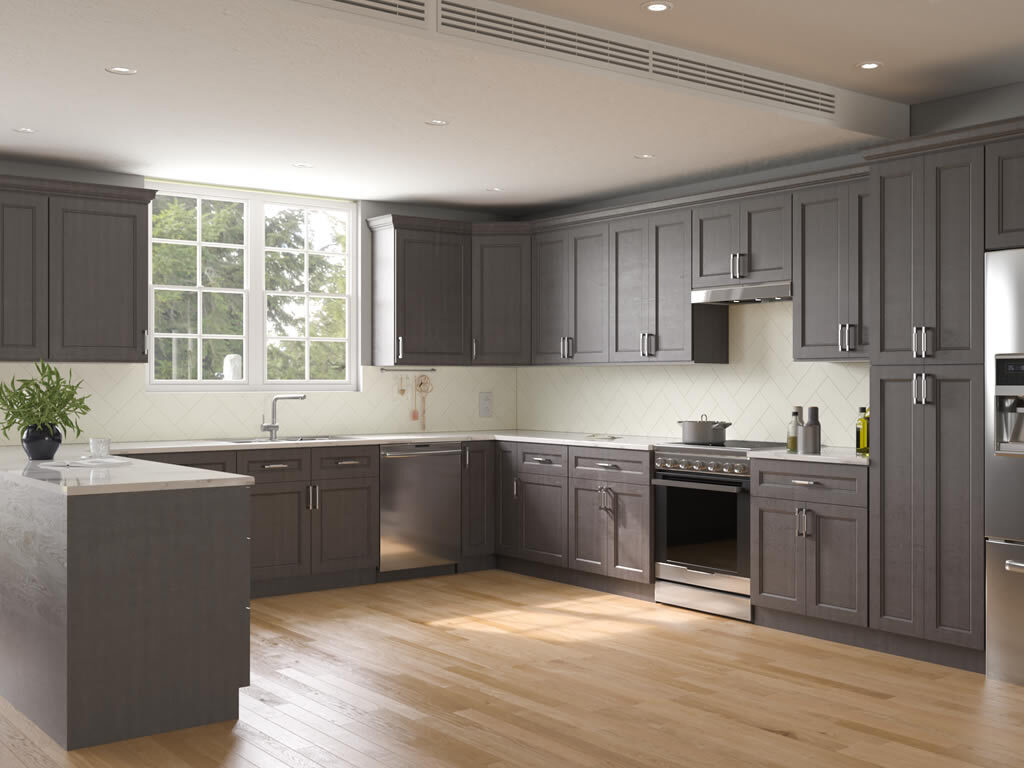
Kitchen Cabinets & Vanities Blog

A 10×10 kitchen layout is a 100 sq ft pricing standard for cabinets. Learn what’s included, how to compare quotes, and plan your real layout right. When planning a kitchen renovation, you’ve likely come across the term “10×10 kitchen layout” — and for good reason. It’s one of the most widely used benchmarks in the kitchen cabinetry industry across the United States. But what does it actually mean? Is it just a pricing trick, or a practical design tool? Let’s unpack this concept with the precision of a seasoned cabinet maker and the clarity of a trusted design expert.
What Exactly Is a 10×10 Kitchen Layout?
A 10×10 kitchen layout refers to a hypothetical kitchen space that measures 10 feet by 10 feet — essentially a 100 square foot area. It’s not a specific floor plan but a standardized template used by cabinet manufacturers and retailers to price cabinetry sets. This model gives customers a reference point to compare costs and styles more easily.
Think of it as the blueprint version of a “test kitchen.” It’s not about layout specifics like an L-shape or U-shape; it’s about how much cabinetry typically fits within that square footage.
Why the 10×10 Standard Matters in the U.S.
In American homes, especially in starter homes, condos, or remodels, a 10×10 kitchen represents an average, functional kitchen size. It offers enough room for base and wall cabinets, a cooking area, and ample storage — without the complexity (or cost) of a sprawling custom layout.
Retailers use this model to provide baseline pricing. When you see ads like “10×10 kitchen for $2,999,” they’re referencing this configuration, usually including a set number of cabinets without add-ons like hardware, molding, or installation
What’s Included in a Typical 10×10 Cabinet Set?
While cabinet sets can vary slightly by supplier, a typical 10×10 kitchen layout might include:
- One 36″ base cabinet for the sink
- One 36″ blind corner base
- Two 24″ base cabinets
- One 12″ base cabinet
- One 36″ wall cabinet
- Two 30″ wall cabinets
- Two 12″ wall cabinets
- One 24″ wall cabinet above a refrigerator
These components are used to showcase how a collection of cabinets might look and function in a small-to-medium kitchen space.
Is a 10×10 Kitchen Too Small?
Not at all — a well-designed 10×10 kitchen can be a masterpiece of efficiency. With the right layout (L-shape, galley, or U-shape), even a compact kitchen can deliver full functionality, aesthetic appeal, and smooth traffic flow.
Remember: it’s not the size of the kitchen that matters — it’s how smartly you design it. As the saying goes, “Measure twice, cut once.”
What Can Affect the Final Price?

That $2,999 10×10 price tag? It’s a starting point. Real-world pricing can vary based on:
- Cabinet material (solid wood vs. MDF)
- Assembly type (RTA vs. Pre-Assembled)
- Finish and color (painted, stained, glazed)
- Add-ons like crown molding, hardware, or organizers
- Installation costs
Think of the 10×10 layout as the “base model car” of the kitchen world. Add features, and the price changes accordingly.
Design Tips for Making the Most of a 10×10 Kitchen
- Go Vertical: Maximize storage with tall wall cabinets.
- Use Light Colors: Whites and greys open up smaller spaces.
- Choose Smart Storage: Pull-out trays, lazy Susans, and drawer organizers are game-changers.
- Incorporate Open Shelving: Adds depth and breaks up bulk.
- Lighting Is Key: Under-cabinet and ceiling lighting enhance both beauty and utility.
Who Benefits Most from a 10×10 Kitchen Layout?
- 🏠 First-time homeowners who need budget-friendly renovations
- ⚒️ Contractors working on rental units or flips
- 🚗 Tiny house and condo owners seeking efficient use of space
- ✍️ DIY remodelers looking for standardized, manageable projects
Items Included In Our Standard 10×10 Kitchen Price
- BBLC42 – Blind Corner Cabinet
- SB36 – 36″ Sink Base Cabinet
- B18 – 18″ Base Cabinet
- B33 – 33″ Base Cabinet
- W1830 (x2) – 18″W x 30″H Wall Cabinet
- W2130 – 24″W x 30″H Wall Cabinet
- W3330 – 33″W x 30″H Wall Cabinet
- W3015 (x2) – Two 30″W x 15″H Wall Cabinet
- WDC2430 – 24″W x 30″H Wall Diagonal Corner Cabinet
- BF3 – 3″ Base Filler
- TK8 (x2) – Two 8′ Toe Kick
10×10 Kitchen Layout Examples
10×10 Kitchen Layout Examples showcase efficient design ideas for small to mid-sized kitchens. Explore L-shape, U-shape, and galley styles that maximize space, storage, and flow.


10×10 kitchen layout
A 10×10 kitchen layout may seem small on paper, but in the hands of the right designer — and with high-quality cabinetry — it can become the crown jewel of your home. It’s not just a layout; it’s a starting point for creativity, customization, and smart investment.
If you’re ready to explore layout options, compare RTA and pre-assembled cabinets, or get a free 3D kitchen design, trust the professionals at The Best Kitchen Cabinet to guide your vision from sketch to stunning.
Because even 100 square feet can hold a lifetime of memories — if you build it right.
What Is a 10×10 Kitchen Layout? A Professional Guide to America’s Most Popular Kitchen Standard
If you’ve shopped for cabinets in the U.S., you’ve seen it everywhere: “10×10 kitchen” pricing, “10×10 cabinet set,” or “10×10 kitchen for $X.” It sounds like a real kitchen plan, but it’s actually something more practical—a standardized benchmark used across the cabinetry industry to make pricing easier to compare.
At House of cabinet, we treat the 10×10 standard the right way: as a helpful starting point, not a final design. Below is a clear explanation of what it means, what’s usually included, and how to use it to plan your real kitchen without getting misled.
What Exactly Is a 10×10 Kitchen Layout?
A 10×10 kitchen layout refers to a hypothetical kitchen space that measures 10 feet by 10 feet—about 100 square feet. It’s not one fixed floor plan. It’s a standardized template that cabinet retailers and manufacturers use as a baseline for pricing and comparison.
Think of it like a “test kitchen” used for quoting: it helps you compare cabinet lines across brands because they’re quoting a similar amount of cabinetry.
Why the 10×10 Standard Exists
The 10×10 benchmark is popular because it simplifies comparisons:
- It gives shoppers a common reference point for price shopping.
- It represents a typical small-to-mid kitchen size in many U.S. homes.
- It helps retailers advertise “starting prices” for cabinet packages without designing your full kitchen first.
Traditional rule of thumb: it’s a pricing tool, not a promise. The real kitchen cost is always based on your measurements, your layout, and your upgrades.
What’s Included in a Typical 10×10 Cabinet Set?
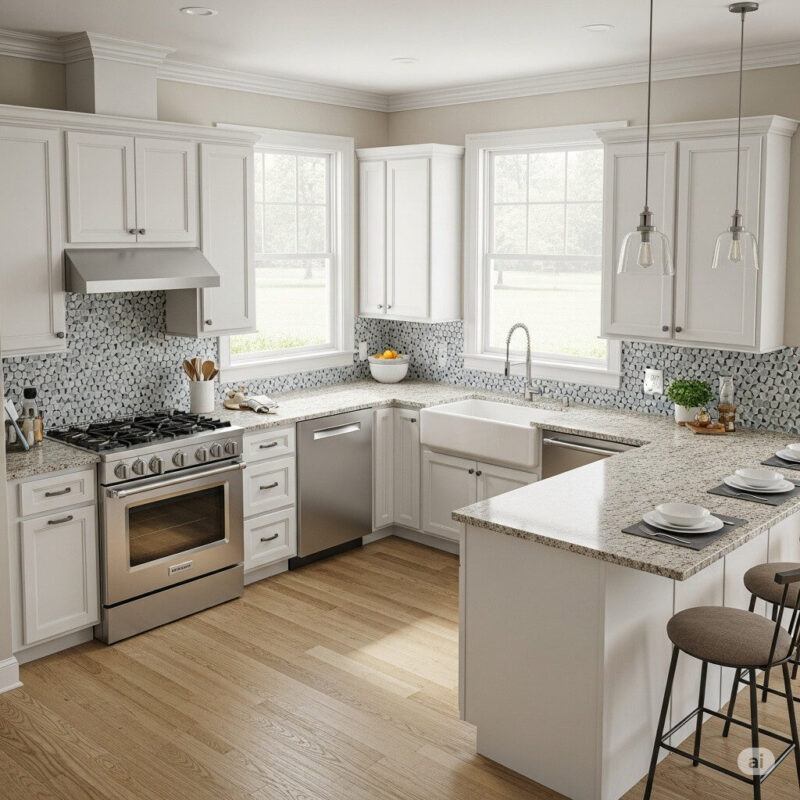
There’s no single universal list, but a typical 10×10 package often includes a blend of base and wall cabinets, such as a sink base, a corner cabinet, several base cabinets, and matching wall cabinets (including an option above the refrigerator).
The House of cabinet guide also provides example components and a sample “standard 10×10 price” list with common cabinet codes (sink base, blind corner, wall cabinets, fillers, toe kicks).
Important: what is usually NOT included
Most advertised 10×10 prices are a baseline. They often do not include:
- installation labor
- countertops
- hardware
- crown molding / light rail / panels
- specialty storage (pull-outs, organizers)
- delivery upgrades or removal of old cabinets
That’s why the 10×10 number is best used for comparing cabinet lines, not budgeting the full remodel.
Is a 10×10 Kitchen “Small”?
Not necessarily. A well-planned 10×10 kitchen can be highly functional. The difference is layout discipline:
- Galley layouts can be extremely efficient
- L-shape layouts can keep traffic flow open
- U-shape layouts can maximize storage (if clearance is planned correctly)
Classic truth: small kitchens can feel premium when storage is intentional and the workflow is tight.
Why the 10×10 Price Isn’t Your Final Price
A 10×10 quote is a baseline. Your final cabinet cost changes based on real choices, including:
Material and construction
Solid wood vs MDF components, plywood vs other box materials, and overall build spec can swing pricing.
Assembly route
RTA vs pre-assembled changes cost and timeline.
Finish and style complexity
Painted, stained, glazed, specialty textures—these influence price.
Add-ons and upgrades
Crown molding, panels, fillers, pull-outs, trash systems, spice pull-outs, soft-close upgrades—these are where kitchens become “finished.”
The House of cabinet article calls out these same drivers—treating the 10×10 as the “base model,” then adding features as needed.
How to Use the 10×10 Standard the Smart Way
Here’s the clean, professional approach.
1) Use 10×10 only to compare cabinet lines
If one line is quoted at $X for a 10×10 set and another at $Y, you’re comparing similar scope. That helps you spot value differences.
2) Convert the quote into your real kitchen needs
Most real kitchens don’t match the template exactly. Your kitchen may need:
- more wall cabinets (higher ceilings)
- a pantry cabinet
- an island
- a wider sink base
- different corner solutions
That’s why you need a real layout drawing next.
3) Budget for the finish details
A kitchen looks expensive because of:
- clean fillers and panels
- consistent reveals
- trim strategy (toe kicks, crown, light rail)
- lighting and hardware choices
Plan those early so you don’t end up with a “good cabinet set” that still looks unfinished.
Practical Design Tips for a Great 10×10 Kitchen
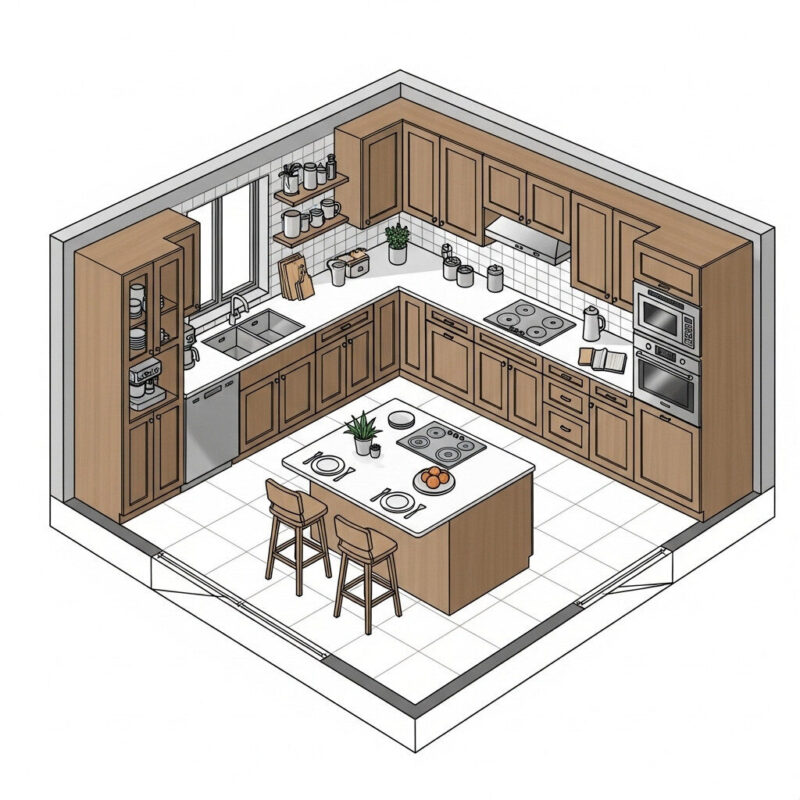
These are the upgrades that tend to matter most in a compact-to-mid kitchen:
Go vertical
Taller wall cabinets maximize storage and reduce countertop clutter.
Use light or warm-neutral colors
Whites and soft neutrals open up smaller spaces visually.
Prioritize drawers
Deep drawers often outperform base-door cabinets for daily convenience.
Add smart storage
Pull-outs, organizers, and corner solutions can make a 10×10 kitchen feel twice as functional.
Lighting is not optional
Under-cabinet lighting instantly improves both usability and the “premium” look.
Who Benefits Most From the 10×10 Standard?
The 10×10 benchmark is especially useful for:
- first-time homeowners comparing cabinet lines
- contractors pricing similar projects across properties
- rental upgrades and flips where baseline scope matters
- DIY remodelers who need a manageable reference set
Final Thoughts
A 10×10 kitchen layout is America’s most common cabinet pricing standard because it simplifies comparison. But it’s not your final kitchen plan. Use it to compare cabinet value, then build a real layout around your space, your workflow, and the finish details that make the kitchen feel complete.
10×10 Kitchen Cabinet
A 10×10 kitchen cabinet refers to a standard kitchen layout measurement used to estimate cabinet pricing and design. It represents a 10-foot by 10-foot kitchen with a typical arrangement of base cabinets, wall cabinets, and a sink cabinet. This format is widely used in the kitchen remodeling industry to compare cabinet styles, materials, and costs in a simple and consistent way.
10×10 Kitchen Prices
10×10 kitchen prices are commonly used as a benchmark to estimate the cost of kitchen cabinets and overall remodeling expenses. A 10×10 kitchen represents a standard 100-square-foot layout with a basic configuration of base cabinets, wall cabinets, and essential storage units.
Discover 10×10 Kitchen Cabinets & Prices!