

Kitchen Cabinets & Vanities Blog

Kitchen cabinet design in 2025 is not only about door styles and finishes. Structural integrity plays an equally important role in long-term durability and daily performance. The frame of a kitchen cabinet forms the foundation of the entire unit. It supports the doors, stabilizes the box, and ensures alignment throughout years of use.
Understanding what a cabinet frame is and how it functions helps homeowners make informed renovation decisions. While frames are not always visible, they significantly influence how cabinets look, feel, and perform.
What Is a Kitchen Cabinet Frame
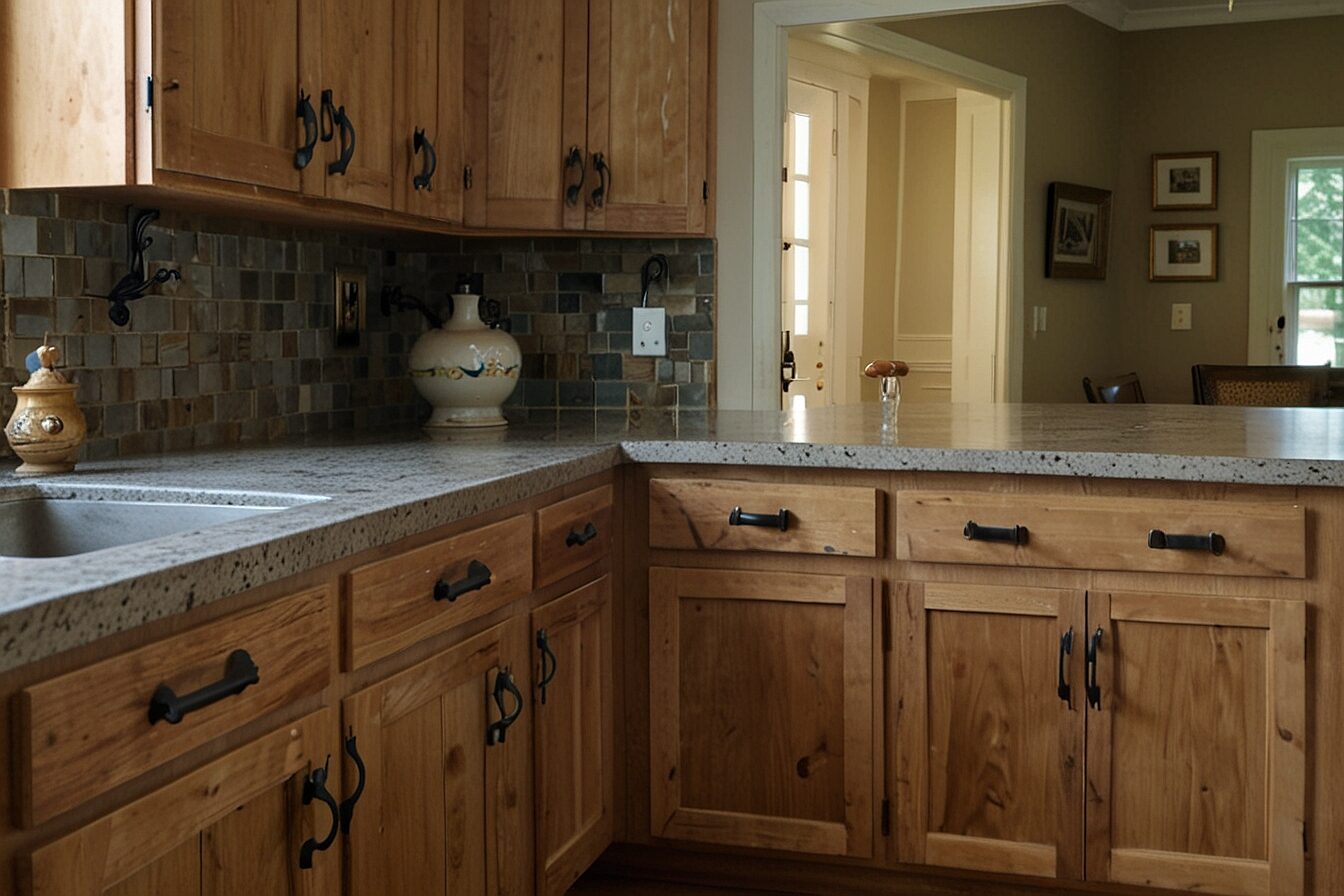
A kitchen cabinet frame refers to the structural front portion of a cabinet box. In framed cabinetry, this front frame surrounds the cabinet opening and provides additional stability. It typically consists of horizontal rails and vertical stiles joined together to create a rigid border.
The frame supports hinges, doors, and drawer systems. It also helps maintain alignment when cabinets are installed in a continuous run. In many traditional American cabinet constructions, the frame is an essential component.
Not all cabinets are framed. Frameless cabinetry, often associated with European-style design, removes this front frame and relies on thicker side panels for support. Both systems have their advantages depending on design and usage preferences.
Framed vs Frameless Cabinet Construction

Framed cabinets include a visible front frame attached to the cabinet box. This construction method has been widely used in the United States for decades. It provides added reinforcement and allows for various door overlay options.
Frameless cabinets, by contrast, eliminate the front frame. Doors attach directly to the cabinet box, creating a more streamlined and modern appearance. This design allows for slightly wider interior access because there is no frame reducing the opening.
In 2025, both construction types are common. The choice depends on aesthetic goals, budget considerations, and structural preferences.
How the Frame Contributes to Stability
The cabinet frame strengthens the front of the cabinet box. It helps prevent twisting or warping, especially in high-use kitchens. When cabinets are installed side by side, frames also assist in maintaining even spacing and alignment.
For homeowners who value traditional construction, framed cabinets offer reassurance in terms of structural reinforcement. The frame acts as an anchor point for doors and drawers, contributing to long-term durability.
Properly constructed frames maintain cabinet shape even under heavy daily use.
Material Choices in Cabinet Frames
Cabinet frames are commonly made from solid wood. Hardwood materials are preferred because they resist warping and maintain stability over time. The choice of material influences not only strength but also how well the cabinet handles humidity and temperature changes.
In 2025, material consistency is important. Frames must integrate seamlessly with the cabinet box to ensure uniform expansion and contraction. Well-matched materials reduce stress on joints and hardware.
Quality craftsmanship in frame construction contributes significantly to cabinet longevity.
Door Overlay and Frame Design
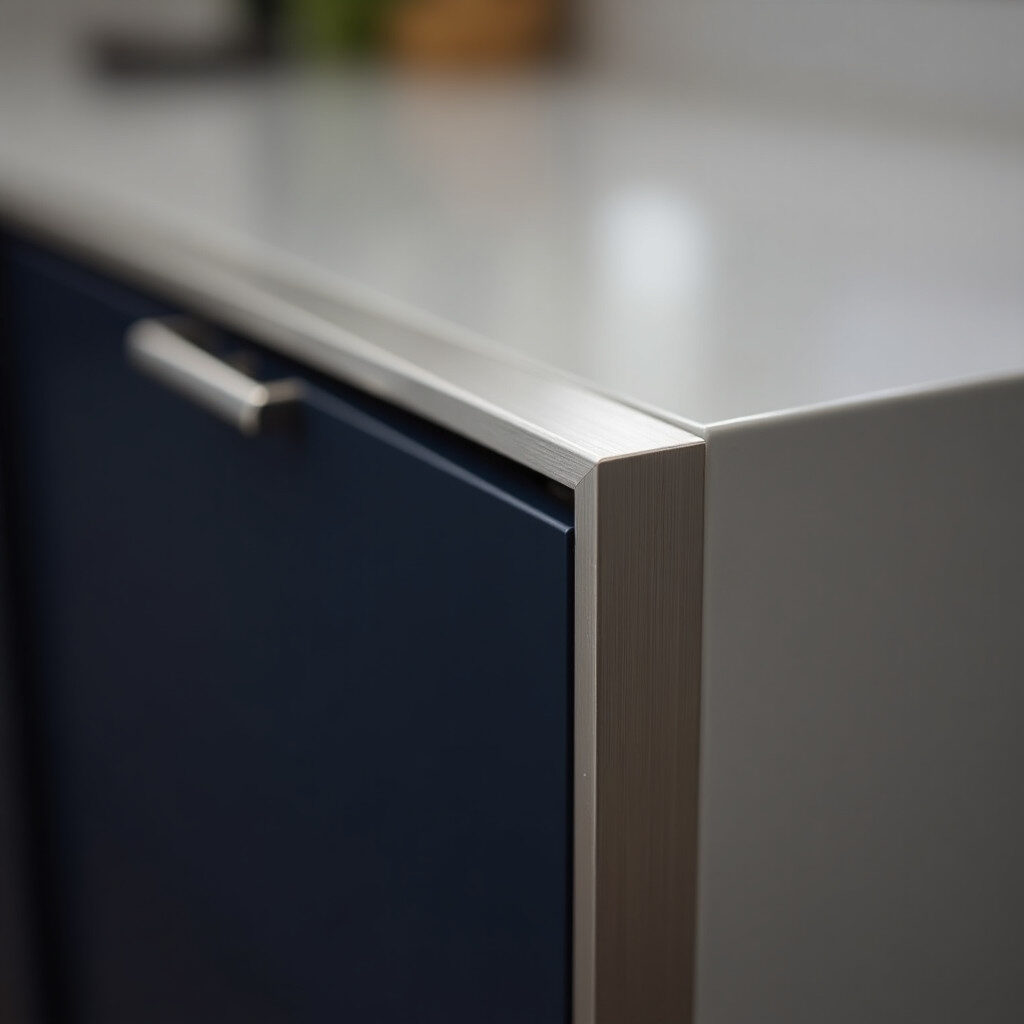
The frame influences how cabinet doors sit on the cabinet face. In framed cabinetry, doors may be full overlay, partial overlay, or inset. Each option affects the overall look of the kitchen.
Full overlay doors cover most of the frame, creating a more continuous appearance. Partial overlay reveals more of the frame, which gives a traditional look. Inset doors sit flush within the frame opening, offering a refined and classic aesthetic.
Understanding the relationship between the frame and door style helps homeowners align structural choices with visual preferences.
Impact on Interior Storage Space

One practical difference between framed and frameless cabinets involves interior access. Because the frame slightly reduces the cabinet opening, framed cabinets may offer marginally less access compared to frameless options.
However, many homeowners find that the difference is minimal in everyday use. The added structural reinforcement of framed cabinets often outweighs this consideration, particularly in traditional kitchen designs.
In modern kitchens, storage efficiency is addressed through interior accessories rather than structural changes alone.
Installation and Alignment Considerations

Cabinet frames assist with installation alignment. When cabinets are secured together, the frames provide consistent reference points for positioning. This helps maintain straight lines across long cabinet runs.
In 2025, professional installation ensures that framed cabinets are level and evenly spaced. Proper alignment contributes to smooth door operation and long-term performance.
Frameless cabinets require careful precision during installation, as there is no front frame to compensate for minor irregularities.
How Cabinet Frames Influence Kitchen Style
The presence or absence of a frame affects the overall visual impression of a kitchen. Framed cabinets often convey a more traditional or transitional style. Frameless cabinets typically appear more contemporary and streamlined.
Homeowners selecting cabinetry in 2025 consider both structural and stylistic implications. The frame is not merely a hidden component. It shapes how the entire cabinet system integrates into the kitchen design.
Thoughtful selection ensures that structure and aesthetics work together rather than compete.
Understanding Cabinet Frames in Modern Renovations
As renovation planning becomes more detailed, homeowners are paying closer attention to construction methods. The cabinet frame represents a foundational element that supports durability and design consistency.
Choosing between framed and frameless construction depends on lifestyle, budget, and visual goals. Both approaches can perform well when built with quality materials and installed correctly.
Understanding how frames function allows homeowners to approach kitchen upgrades with greater clarity and confidence.
FAQ: Kitchen Cabinet Frame
What is a cabinet frame?
It is the structural front border of a framed cabinet that supports doors and adds stability.
Are framed cabinets stronger than frameless cabinets?
Framed cabinets offer additional front reinforcement, though both can be durable when well constructed.
Do frames affect cabinet appearance?
Yes. Frames influence door overlay styles and overall kitchen aesthetics.
Is framed construction common in the US?
Yes. Framed cabinetry has traditionally been widely used in American kitchens.