

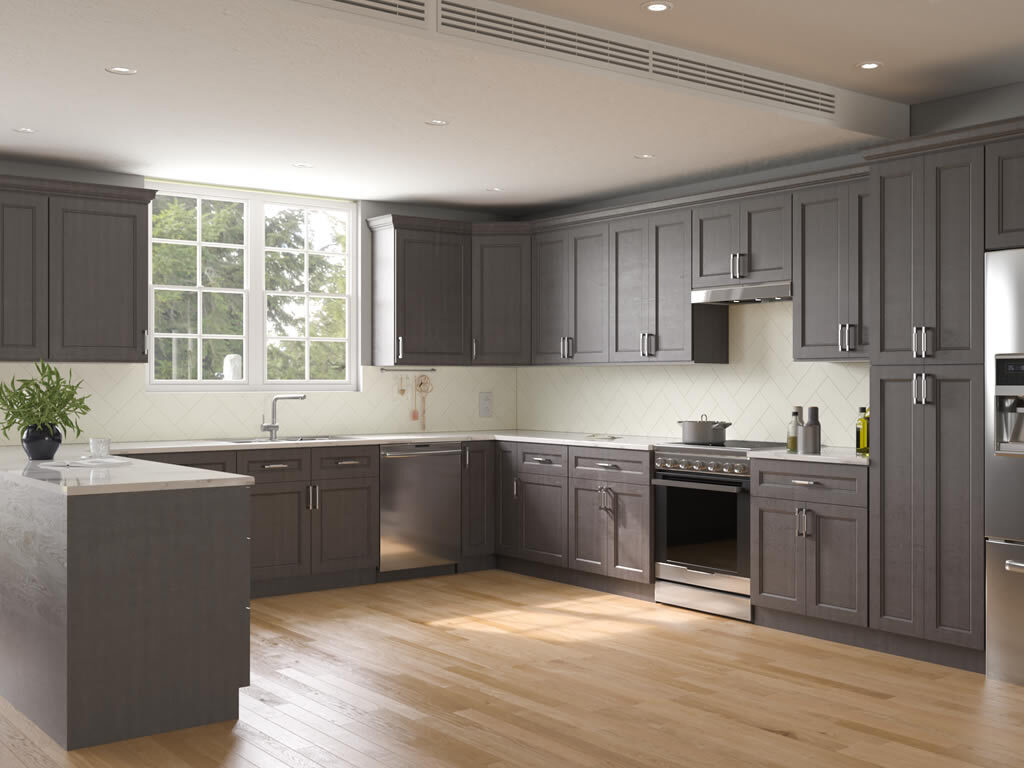
Kitchen Cabinets & Vanities Blog
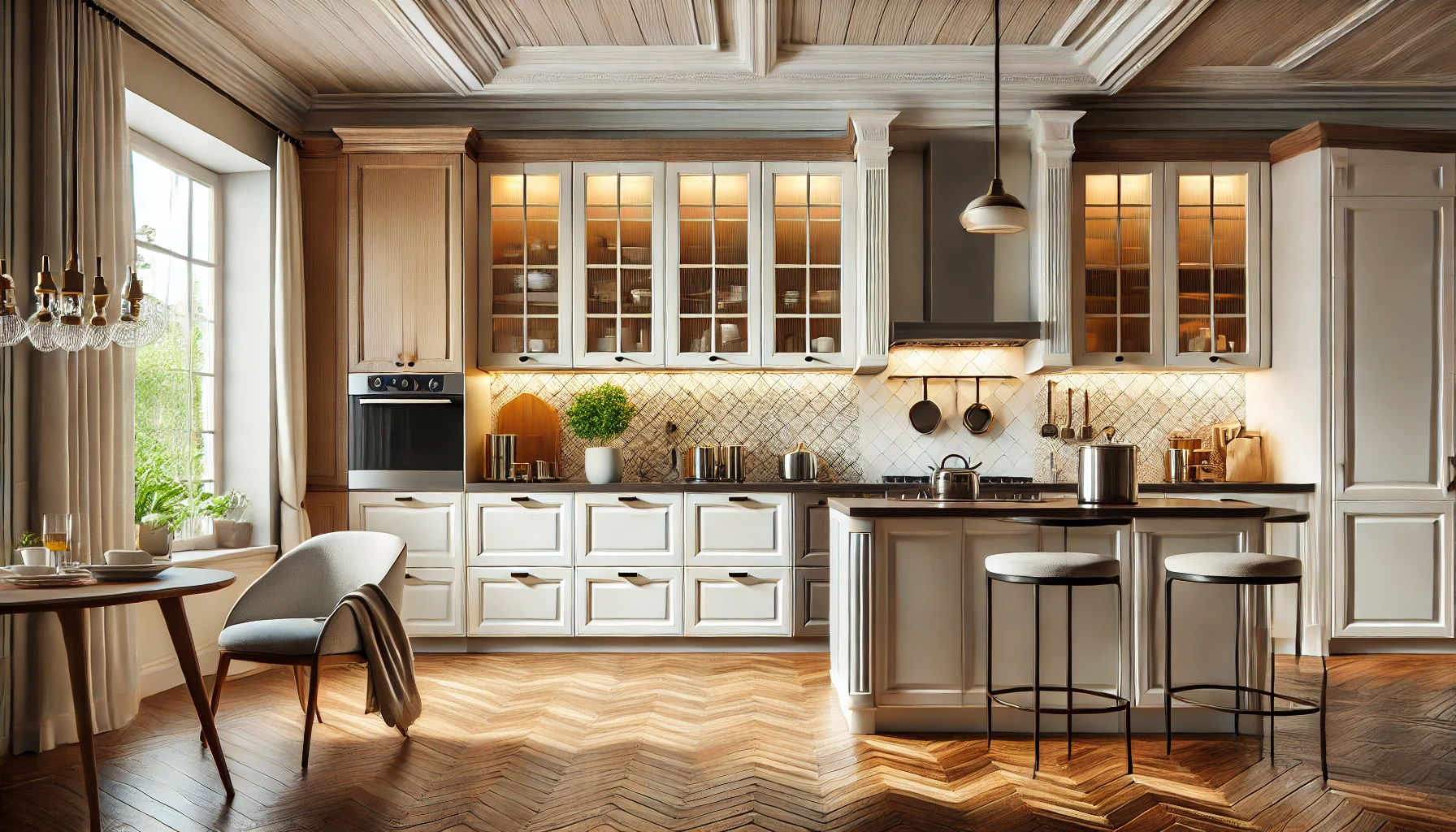
A kitchen can look completely different without changing a single wall. In many remodels, the fastest visual transformation comes from one decision: your cabinet doors. Door style controls the kitchen’s “face” — the lines, the shadow depth, and whether the space feels modern, classic, or somewhere in between.
That’s why Forevermark cabinets new doors are worth a focused look. If you’re upgrading an older kitchen, refreshing a rental, or simply chasing a cleaner, more custom feel, the right door profile can make cabinets look higher-end without forcing you into a full gut remodel.
At House of cabinet, we’re big believers in a traditional principle: choose what will still look right years from now. Door styles should elevate your kitchen today, but they should also age gracefully.
What “New Doors” Really Means (And Why It Matters)
When people say “new doors,” they usually mean one of two things:
-
Choosing a newer Forevermark door style for a full cabinet order, or
-
Updating the look of existing cabinetry with new door fronts (when your cabinet boxes are still solid and the layout works)
In both cases, doors are a high-impact decision because they set:
-
The kitchen’s overall design language (modern vs classic)
-
How light and shadow play across the cabinet faces
-
How hardware looks once installed (pulls and knobs behave differently on different profiles)
If you want a kitchen that feels more “designer” without becoming trendy, door choice is where you should invest your attention.
The Four Door Styles That Most Often Deliver a “Custom Look”
Below are four door directions that consistently elevate a kitchen. The best fit depends on your home style, how much visual detail you want, and the mood you’re building.
Shaker Doors: The safest “forever” choice
Shaker remains popular because it’s balanced. It has definition, but not fuss. It works in modern kitchens, transitional homes, and classic American interiors.
Why it feels custom:
-
Clean lines read “intentional”
-
It pairs well with nearly any countertop material
-
It supports both minimal hardware and more decorative pulls
Best for:
-
Homeowners who want timeless design
-
Kitchens that may be updated in phases over time
-
White, warm neutral, navy, green, and wood finishes
Slim Shaker (Micro Shaker): A modern upgrade without going cold
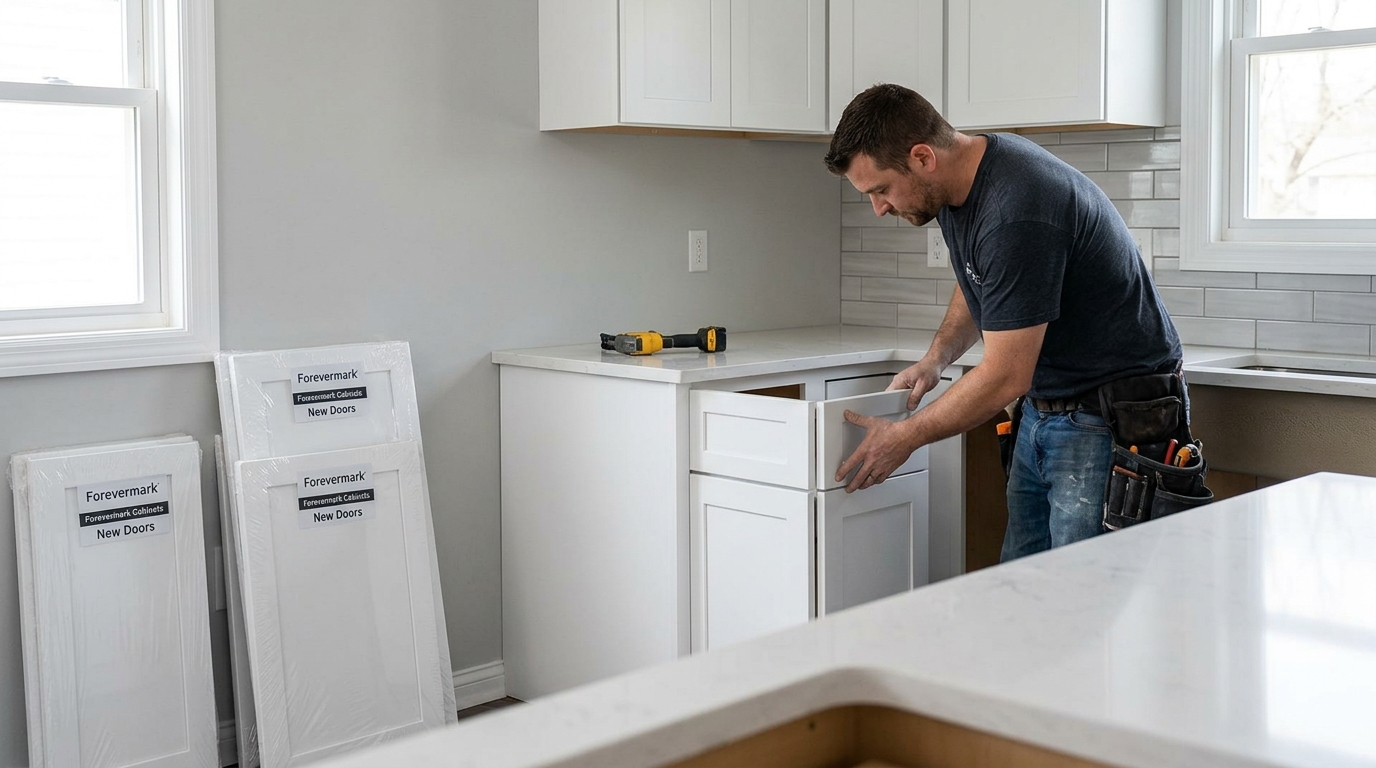
Slim Shaker is the modern cousin of classic Shaker — still framed, but lighter and more streamlined. It’s a great option when you want a newer look without going fully flat-panel.
Why it feels custom:
-
The thinner frame looks tailored and current
-
It looks sharp with longer bar pulls
-
It works beautifully in open layouts
Best for:
-
Modern-transitional kitchens
-
Minimalist spaces that still want warmth
-
Matte finishes, light woods, and two-tone layouts
Raised Panel: Traditional depth that looks expensive
Raised panel doors bring dimension. If your home has traditional architecture or you want the kitchen to feel richer and more “built-in,” this profile can deliver that classic comfort.
Why it feels custom:
-
The profile adds shadow and depth
-
It pairs naturally with crown molding and trim packages
-
It feels established and high-value in larger kitchens
Best for:
-
Traditional homes
-
Warm wood tones and creamy whites
-
Kitchens with decorative lighting and detailed hardware
Slab (Flat Panel): Clean, modern, architectural
Slab doors are flat and minimal — no frame, no raised detail. When done well, slab doors make a kitchen feel precise and contemporary.
Why it feels custom:
-
The visual plane is uninterrupted
-
It highlights premium materials (stone, hardware, lighting)
-
It creates an “architectural” look with fewer distractions
Best for:
-
Contemporary homes
-
Handle-forward designs (long pulls) or integrated pulls
-
Dark finishes, light woods, or high-contrast palettes
How to Choose the Right Forevermark Door Style for Your Kitchen
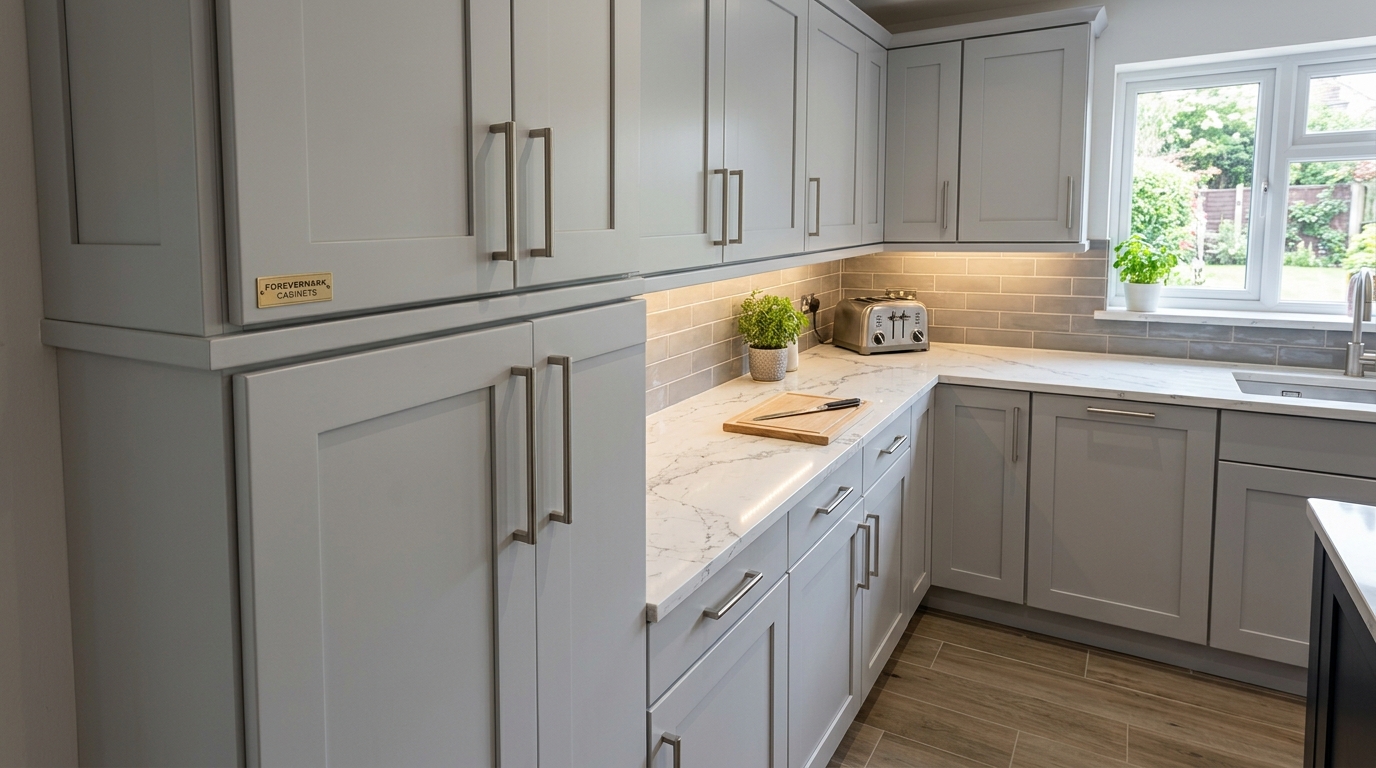
Door selection gets easier when you answer these four practical questions.
1) Do you want the kitchen to feel warmer or sharper?
-
Warmer: classic Shaker, raised panel, wood tones, brushed brass
-
Sharper: slim Shaker, slab, matte black hardware, crisp contrast
2) How busy is the rest of your design?
If your backsplash has pattern, your counters have dramatic veining, or your lighting is bold, a simpler door profile often looks more premium. If the rest of the space is calm and minimal, you can afford more door detail.
3) What is your maintenance tolerance?
-
Flat doors are quick to wipe down.
-
Detailed profiles can collect more dust in grooves over time.
4) Will your kitchen style need to stay flexible?
If you expect to refresh paint, change hardware, or swap lighting later, Shaker and slim Shaker tend to adapt the best.
Finish Pairing Ideas That Make Doors Look More Expensive
A great door style can still look average if the color and finishes fight each other. Here’s a clean pairing map you can use.
| Door Style | Cabinet Color Direction | Hardware Finish | Countertop Direction |
|---|---|---|---|
| Shaker | Soft white, warm greige, navy | Brushed brass or matte black | Quartz, marble-look, light granite |
| Slim Shaker | Warm white, natural oak, charcoal | Matte black or champagne bronze | Simple quartz, concrete-look |
| Raised Panel | Creamy white, espresso, warm wood | Antique brass or polished nickel | Granite, quartz with subtle movement |
| Slab | Black, white, light wood | Minimal bar pulls, black, stainless | Clean quartz, bold stone (sparingly) |
Traditional advice still holds: limit the number of “statement” elements. If your cabinets are bold, keep the backsplash quieter. If your stone is dramatic, keep cabinet doors and hardware clean.
A Practical Checklist Before You Commit
Whether you’re ordering new cabinets or focusing on door upgrades, these are the details that prevent costly mistakes:
Confirm your door overlay style
Doors can be full overlay, partial overlay, or inset. Your choice affects how modern the kitchen reads and how much cabinet face frame is visible.
Match hinge and hardware planning
Small differences in hinge placement, door thickness, and pull sizing can change the final alignment. Decide hardware style early so you can plan drilling cleanly.
Validate color under your real lighting
Cabinet finishes shift under warm vs cool bulbs and in different daylight directions. If you can, compare samples in the morning and evening.
Plan your trim strategy
Trim makes cabinets look built-in. Decide whether you’re using:
-
crown molding
-
light rail
-
end panels
-
toe kick detail
This is often the difference between “installed” and “finished.”
Installation Notes: DIY-Friendly or Pro-Recommended?
If you’re only changing door fronts, this can be DIY-friendly when:
-
Your cabinet boxes are square and stable
-
You have a consistent hinge system
-
You’re careful with alignment and leveling
But if you’re changing layouts, adding tall pantry runs, or doing heavy trim work, professional installation usually pays for itself in finish quality.
A timeless rule: doors reveal flaws. The cleaner the door style (especially slab or slim Shaker), the more obvious misalignment becomes. Precision matters.
Maintenance Tips That Keep Doors Looking New
The best-looking kitchens stay that way because of simple habits:
-
Wipe down doors with a soft cloth and mild cleaner
-
Dry areas near sinks and dishwashers quickly
-
Avoid harsh chemicals that can dull finishes
-
Use soft-close hinges and drawers to reduce long-term wear
-
Keep ventilation strong while cooking to reduce moisture buildup
This is especially important for painted finishes, where steam and repeated contact can wear edges faster.
Final Thoughts
Forevermark cabinets new doors are a smart path when you want a kitchen upgrade that feels meaningful, not superficial. The right door style can make a kitchen feel more custom, more current, and more valuable — without sacrificing timeless appeal.
If you want the most future-proof choice, start with Shaker or slim Shaker, then build the rest of the kitchen around balanced finishes and clean alignment. If your home leans traditional, raised panel brings classic depth. If your home is modern, slab doors create that sharp architectural calm.