

Kitchen Cabinets & Vanities Blog
Sink Cabinets: Kitchen Sink Base Cabinet Guide 2026
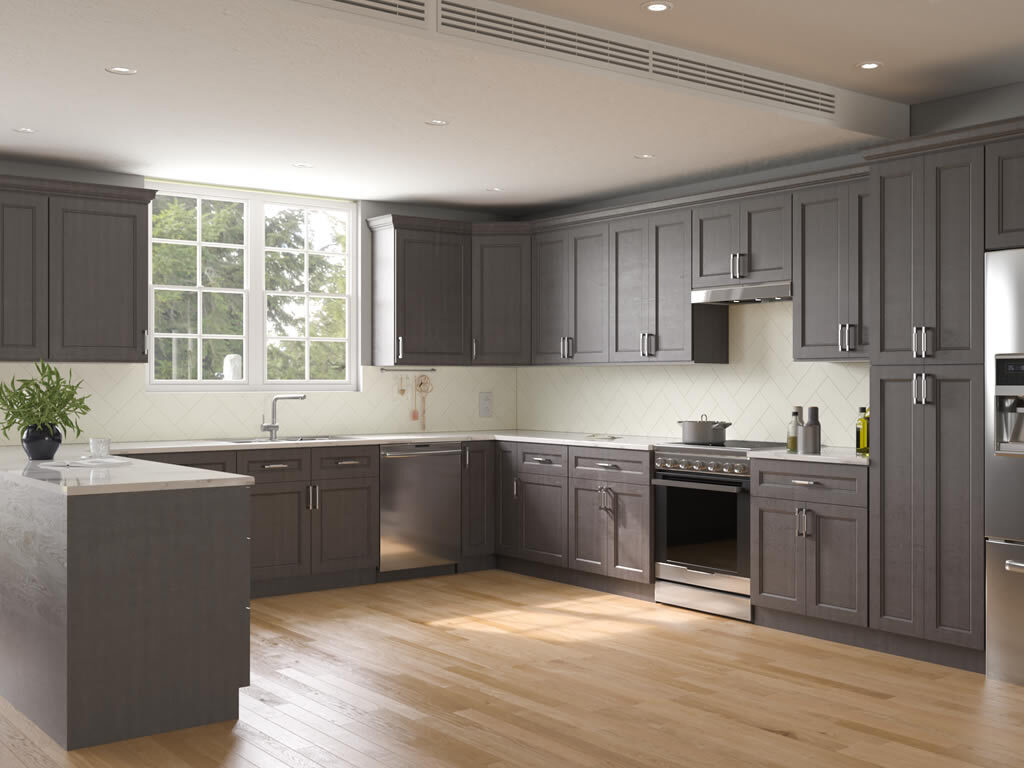
A sink cabinet is one of the most important parts of any kitchen. It holds the sink, supports the countertop, hides plumbing, and often becomes the “command center” for cleaning, prep, and daily routine. Because it sits at the busiest zone in the room, a sink cabinet that’s too small—or poorly planned—can make an entire kitchen feel frustrating.
At House of cabinet, we treat sink cabinets like a foundational decision. Get this zone right, and the kitchen works better every day. Get it wrong, and you feel it constantly: cluttered supplies, awkward plumbing space, trash that doesn’t fit, doors that bang into pipes, and wasted storage.
This guide breaks down what a sink cabinet is, common sizes, types, planning rules, and the upgrades that make a sink base feel truly high-end.
What Is a Sink Cabinet?
A sink cabinet (often called a sink base cabinet) is a base cabinet designed to support a sink and accommodate plumbing. Unlike standard base cabinets, it typically has:
- a false drawer front (to allow sink depth)
- an open interior or modified storage space for pipes
- structural reinforcement to carry the sink load and countertop weight
Sink cabinets are used for:
- kitchen sinks (single, double, farmhouse, workstation)
- bar/prep sinks in islands
- laundry or utility sinks (in some layouts)
Why Sink Cabinets Matter So Much
The sink is where most kitchen activity happens. Even if you don’t cook daily, you still use the sink constantly. That makes the sink cabinet one of the highest-impact decisions for function.
A well-planned sink cabinet improves:
- cleaning workflow
- trash and recycling setup
- under-sink organization
- prep efficiency
- visual balance on the sink wall or island
In other words: it isn’t just a cabinet. It’s the hub.
Standard Sink Cabinet Sizes
Sink cabinets come in many widths, but there are common standards most cabinet lines follow.
Common sink base widths
Typical widths you’ll see include:
- 24″ (small sinks, tight kitchens)
- 30″ (very common for standard sinks)
- 33″ (a popular all-around size)
- 36″ (great for larger sinks and storage planning)
- 42″–48″+ (larger sink setups, double sinks, workstation or farmhouse sinks)
- 60″–84″ (oversized sink bases for big kitchens or special storage systems)
The right width depends on your sink type and your storage plan.
Depth and height basics
Most sink cabinets follow base cabinet standards for height, and depths are usually aligned with base cabinet runs. But certain layouts (tight kitchens, shallow runs, islands) may need variations—this is where planning matters.
Sink Cabinet Types,

Not all sink cabinets are the same. The right type depends on sink style, plumbing, and your design strategy.
Standard sink base cabinet
This is the classic sink cabinet: doors below, open interior, false drawer front. It fits most drop-in or undermount sinks.
Best for:
- typical kitchen layouts
- homeowners who want a clean, simple approach
- moderate storage needs
Farmhouse (apron-front) sink cabinet
Farmhouse sinks sit differently and often require a cabinet designed to support the apron and the sink weight. These sinks can be heavier, especially in fireclay or cast iron.
Best for:
- classic and transitional kitchens
- homeowners who want a statement sink
- kitchens where the sink is a design focal point
Planning note: farmhouse sinks often require more precise sizing and support planning than standard sinks.
Corner sink cabinet
Corner sinks can save space in some layouts, but they complicate workflow and plumbing planning. They can also create awkward countertop zones if not designed carefully.
Best for:
- specific corner-limited kitchens
- layouts where sink placement must be moved off the main run
Traditional advice: corner sinks can work, but they should be chosen for a clear reason—not as a default.
Prep sink base (island or secondary sink)
Some kitchens benefit from a second smaller sink—especially for cooking, entertaining, or multiple users.
Best for:
- larger kitchens
- serious cooking households
- homes that host often
A prep sink base is usually smaller and designed around minimal plumbing needs.
What to Consider Before Choosing a Sink Cabinet
Most sink cabinet issues come from one of two mistakes: underestimating plumbing space or choosing sink size before cabinet strategy.
Here’s the correct order.
1) Choose the sink type first
Your cabinet must match your sink. Decide:
- single bowl vs double bowl
- undermount vs drop-in
- farmhouse vs standard
- workstation sink features (accessories, ledges)
Then confirm the cabinet width requirements.
2) Account for plumbing and disposal clearance
Under-sink storage only works if you plan around:
- drain position
- disposal unit
- water lines
- filtration systems (if any)
- instant hot water systems (if any)
If you plan to install a disposal and filtration, you need more practical space than most people expect.
3) Decide on trash and recycling strategy
This is a big one. Many homeowners want trash near the sink, which makes sense—but you need a plan that fits.
Options include:
- pull-out trash beside the sink cabinet
- dual pull-out trash/recycling system near the sink
- integrated waste setup in a wider sink base (in some designs)
A kitchen feels more organized when waste is planned as part of the cabinet system, not an afterthought.
4) Think about everyday storage needs
Under-sink storage should hold what you actually use:
- dish soap, sponges, brushes
- cleaning sprays
- trash bags
- towels
- dishwasher pods
- extra scrubbers and gloves
If you don’t plan for those items, they end up on counters, and the kitchen looks messier.
Sink Cabinet Storage Upgrades That Make a Big Difference

Even if the sink cabinet interior is limited by plumbing, you can still make it highly functional.
Pull-out under-sink organizers
These are ideal for cleaning supplies and avoid the “digging in the back” problem.
Door-mounted storage
Door racks can hold:
- sponges
- small bottles
- gloves
- microfiber cloths
This uses space that normally goes unused.
Slide-out trays
A low slide-out tray can help you store items while keeping plumbing clear.
Separate zones inside the cabinet
One simple upgrade is zoning:
- one side for cleaners
- one side for bags and pods
- one vertical slot for tall bottles
Organization makes the cabinet feel larger than it is.
Material Considerations for Sink Cabinets
Because sink cabinets live near water, material choice matters.
Moisture protection matters
Even high-quality cabinets can suffer around the sink if water sits over time. Choose durable finishes and keep good habits:
- wipe up leaks quickly
- use mats or trays inside the cabinet
- avoid storing wet cloths directly against cabinet surfaces
Reinforcement for heavy sinks
Farmhouse sinks and certain workstation sinks can be heavy. Make sure the cabinet design supports the weight properly. If needed, professional installation ensures correct bracing and long-term stability.
Where Sink Cabinets Fit in the Layout
Sink placement controls workflow. Traditional kitchen planning rules still matter:
- keep sink close to dishwasher
- keep trash near sink
- create a prep zone on at least one side of the sink
- avoid placing the sink too far from cooking and prep zones
A sink cabinet that is well-placed makes the kitchen feel smoother and more efficient.
Common Mistakes to Avoid
Choosing a sink too large for the cabinet plan
A larger sink is great, but it must fit the layout. Oversized sinks can reduce usable countertop space and complicate storage.
Ignoring disposal and filtration space
Homeowners often plan for the sink but forget the systems underneath.
Not planning the trash location early
If trash ends up as a freestanding bin because there’s no cabinet plan, the kitchen will feel less finished.
Skipping under-sink organization
The under-sink zone becomes a mess quickly without structure. Simple organizers prevent daily frustration.
Poor installation alignment
If the sink cabinet isn’t level, countertop installation can become harder and doors may not align cleanly. Precision matters.
Final Thoughts
Sink cabinets are not a minor detail. They shape daily kitchen function more than most homeowners realize. The right sink cabinet size, type, and storage strategy can make the kitchen feel cleaner, more organized, and more premium—without changing the footprint.
At House of cabinet, we recommend treating the sink cabinet like a core design decision: choose the right cabinet for your sink style, plan around plumbing realities, and upgrade storage so the busiest zone in the kitchen stays calm and efficient.
Categories
Recent Posts
- Forevermark vs Fabuwood Cabinetry: Which One Is Better for Your Kitchen Remodel in the USA?
- 2025 Kitchen Cabinet Trends & Why Black Base Cabinets Are Taking Over
- Affordable Multi Unit Cabinets – Cost Efficient Property Renovations
- Kitchen Cabinet Frame – Structure and Support
- IKEA Kitchen Cabinets & Kitchen Planner – The Complete Guide for Your Next Remodel