

Kitchen Cabinets & Vanities Blog
Kitchen cabinet pricing isn’t one-size-fits-all. Two kitchens can be the same square footage and end up with very different totals because cabinets are priced by cabinet type, construction level, finish, storage upgrades, and installation complexity. The good news: once you understand the pricing structure, you can budget accurately and make smarter choices—without overspending on things that don’t move the needle.
At House of cabinet, we treat cabinet budgeting with an old-school rule that still wins: decide your cabinet category first (stock, RTA, semi-custom, custom), then spend “up” only where it improves daily function and finish quality.
The Realistic Price Ranges You’ll See (Cabinets Only)
Most homeowners land in one of these four categories:
1) Stock cabinets
Stock cabinets are standard sizes, limited finish options, and the fastest path to delivery.
Typical cabinet budget: $3,000–$8,000 for many smaller to mid-size kitchens.
Best for:
- quick remodels
- rentals/investments
- straightforward layouts
Trade-off:
- more filler panels and layout compromises
- fewer size and finish choices
2) RTA cabinets (Ready-To-Assemble)
RTA cabinets ship flat-packed and are assembled on-site. This often reduces cabinet purchase cost and makes staging easier.
Typical cabinet budget: $3,500–$10,000 depending on quality tier and kitchen size.
Best for:
- budget-controlled projects
- homeowners comfortable with assembly (or paying for assembly)
- tight delivery access (townhomes, stairs, narrow halls)
Trade-off:
- assembly time and precision required
- quality varies widely by line
3) Semi-custom cabinets
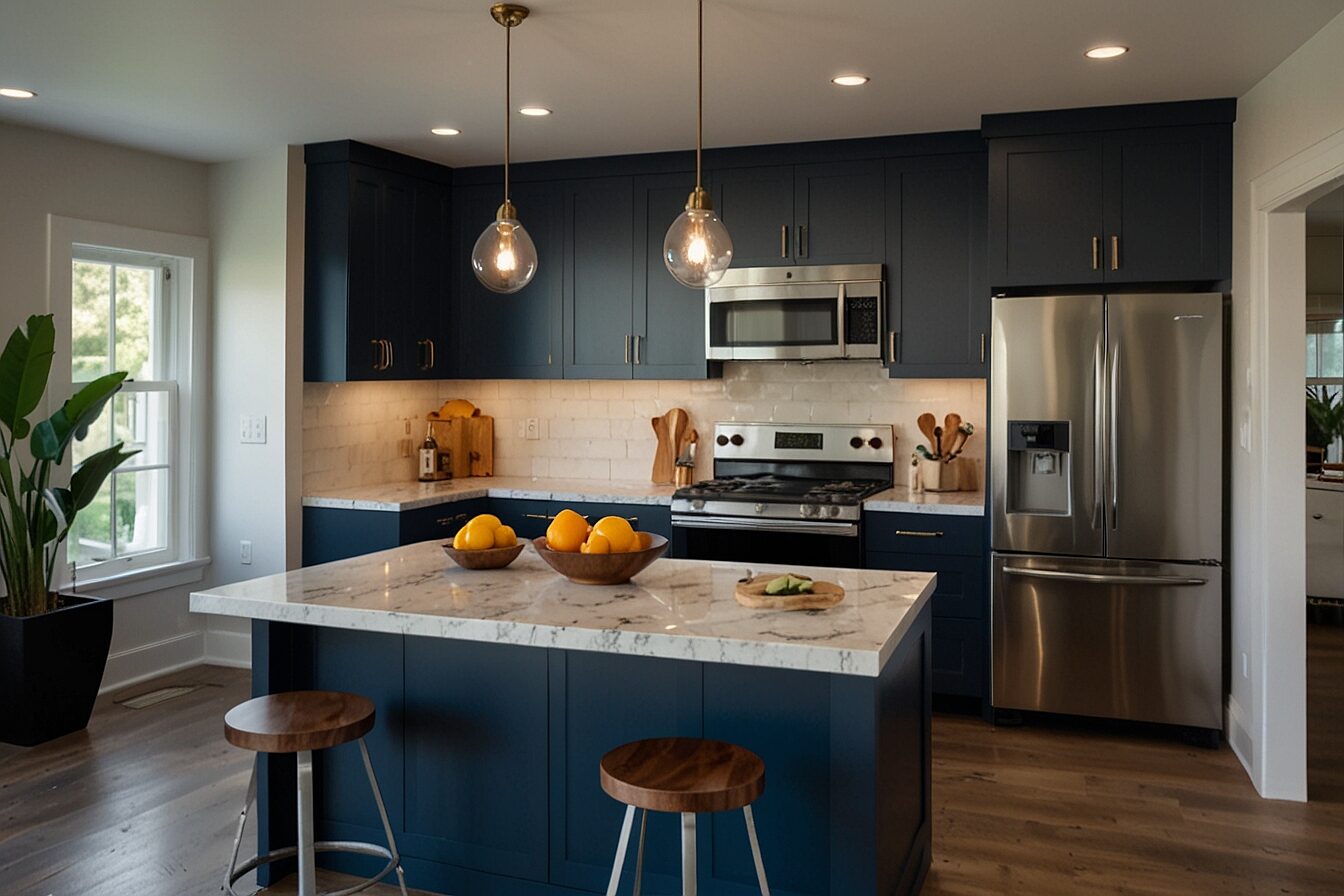
Semi-custom is the “sweet spot” for many homeowners. You get more sizing flexibility, more finishes, and better options—without paying for fully custom work.
Typical cabinet budget: $8,000–$20,000 for many average kitchens.
Best for:
- homeowners who want better fit and a cleaner finished look
- kitchens with minor sizing challenges
- projects where you want more door/finish choices
Trade-off:
- longer lead times than stock/RTA
- upgrades can push costs quickly
4) Custom cabinets
Custom cabinets are made-to-order with the most freedom: sizing, layout solutions, special finishes, and more.
Typical cabinet budget: $20,000–$50,000+ depending on scope, finishes, and local labor market.
Best for:
- “forever home” remodels
- unusual layouts (old homes, odd walls, special constraints)
- high-end design goals with built-in precision
Trade-off:
- the longest lead times
- costs can climb fast if the design is complex
Installed Cost: What Changes When Labor Gets Added
Cabinet “price” online is often just the boxes. Real project totals include:
- delivery/handling
- demolition/removal (sometimes)
- installation labor
- trim, fillers, panels
- adjustments and finishing details
Typical installation range (labor only)
For many kitchens, installation can land roughly in the $2,000–$11,000 range depending on complexity, region, and scope. More complex projects (islands, tall pantry walls, heavy trim work) cost more.
Traditional truth: installation quality is what makes cabinets look expensive. Great cabinets installed poorly will still look cheap.
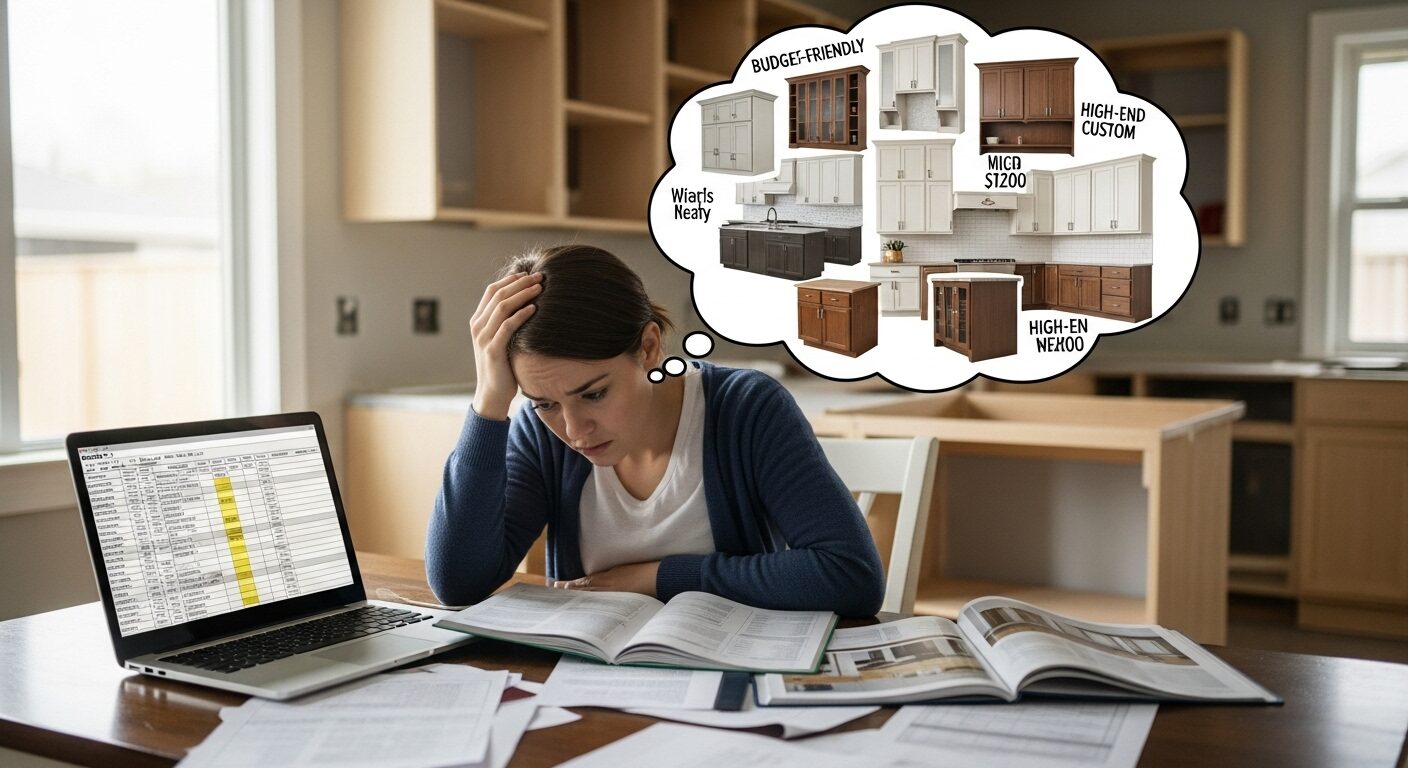
What Actually Drives Cabinet Cost Up or Down
If you’re trying to predict the final number, these are the levers that matter most.
Cabinet category (stock → semi-custom → custom)
This is the biggest pricing step-change. Decide this first.
Construction and materials

Costs shift based on:
- cabinet box material and thickness
- door material (solid wood, MDF, etc.)
- drawer box build
- hinge/slide quality
You can often save money by staying in a value cabinet category but upgrading the hardware and drawer experience where it matters.
Finish type
Painted finishes, specialty colors, texture, glazing, and premium stains can add cost. A “simple white” is often more affordable than a custom-matched color or layered finish.
Storage upgrades and accessories
These upgrades improve daily life—but they can add up:
- trash/recycling pull-outs
- drawer dividers and inserts
- spice pull-outs
- corner solutions
- pantry pull-outs
A smart strategy is to upgrade the high-use zones (sink, cooking zone, main drawers) and keep low-use zones simpler.
Kitchen layout complexity
Complexity adds time and labor:
- multiple corners
- tall cabinet banks
- islands and peninsulas
- out-of-plumb walls and out-of-level floors
- heavy trim packages
This is why two “same size” kitchens can have totally different installation costs.
The Budgeting Method That Prevents Surprises
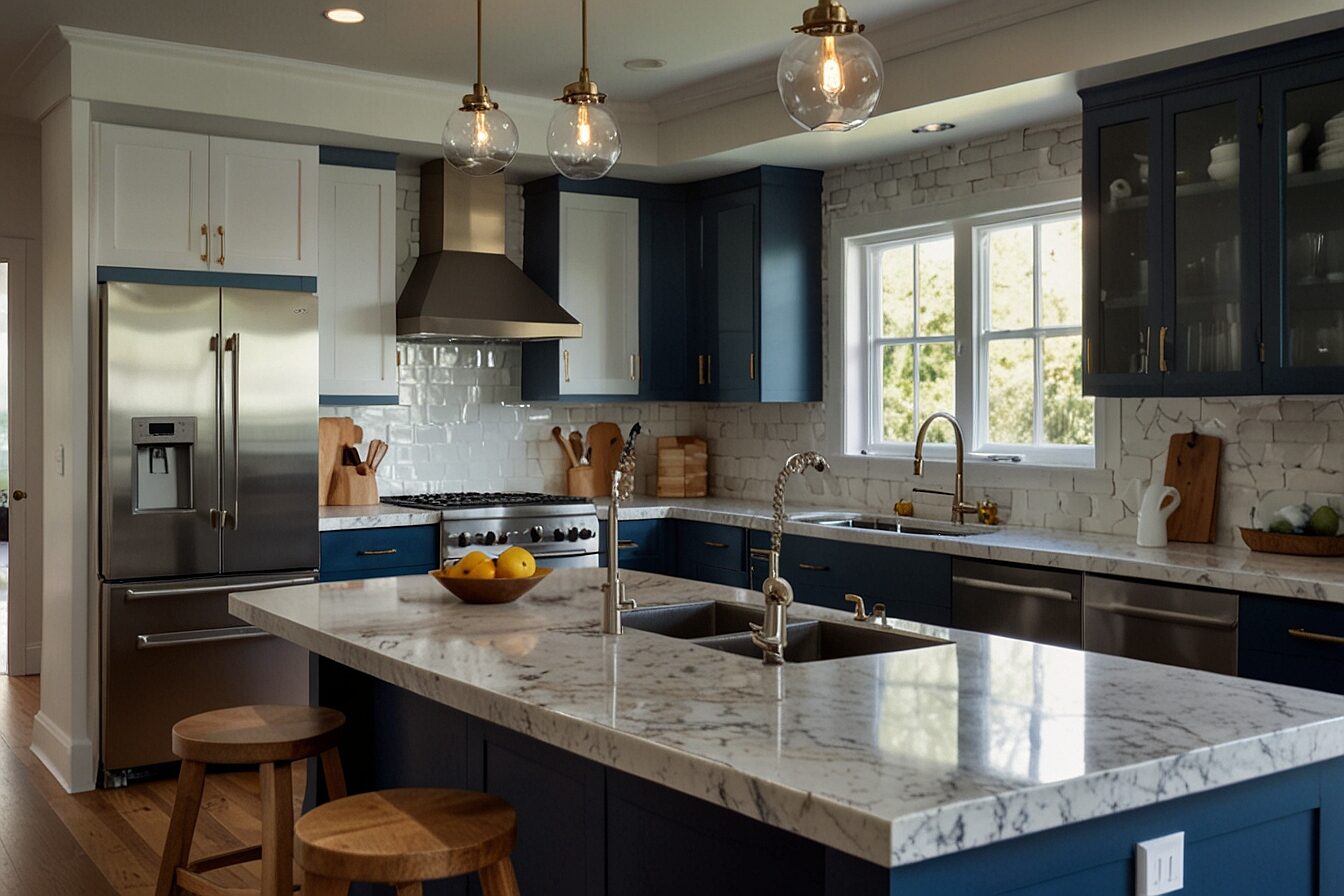
Use this simple approach:
Step 1: Define your kitchen type
Pick one:
- Small kitchen (simple run or small L-shape)
- Mid-size kitchen (L or U shape, maybe an island)
- Large kitchen (multiple runs, island, pantry walls)
Step 2: Choose your cabinet category
- Stock / RTA / Semi-custom / Custom
Step 3: Add a realistic install and finishing allowance
Include room for:
- fillers and panels
- trim (toe kick, crown/light rail if used)
- delivery/handling
- minor surprises (old homes especially)
Step 4: Upgrade only where you’ll feel it daily
If you want the kitchen to feel premium, prioritize:
- drawer bases instead of door bases
- soft-close slides and hinges
- pull-out trash near the sink
- deep pot-and-pan drawers near the range
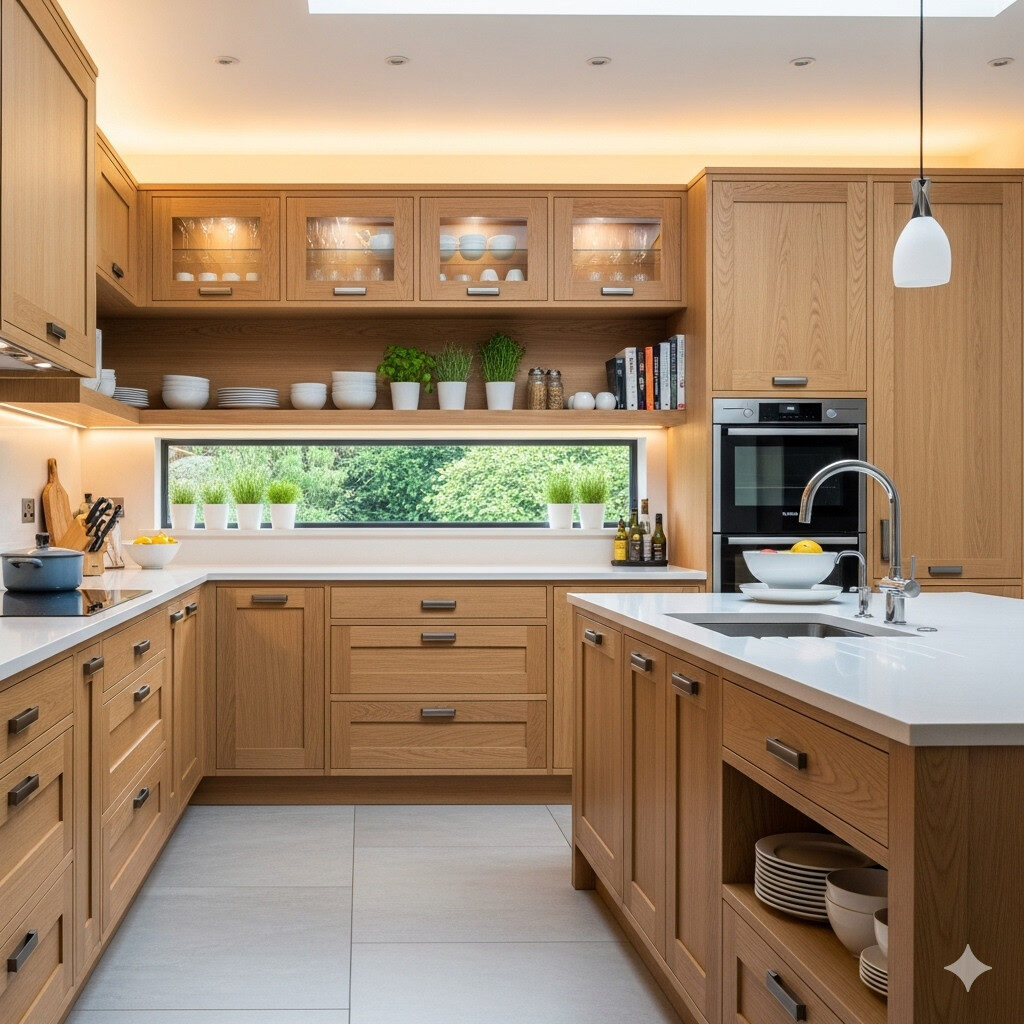
A Quick Comparison Table
| Cabinet Type | Best For | Typical Cabinet Budget | Key Trade-Off |
|---|---|---|---|
| Stock | fastest + simplest | $3k–$8k | limited sizing/finishes |
| RTA | budget control | $3.5k–$10k | assembly time/precision |
| Semi-custom | best balance | $8k–$20k | lead time + upgrades add up |
| Custom | exact fit + premium | $20k–$50k+ | highest cost + longest lead time |
How to Save Money Without Making the Kitchen Feel Cheap
Here are the moves that keep a kitchen looking refined while controlling cost.
Keep cabinet sizes standard
Custom sizing is expensive. A well-planned layout using standard sizes plus clean filler strategy often looks just as “built-in.”
Limit statement choices
If you choose a bold cabinet color, keep backsplash simple. If you choose dramatic countertop veining, keep cabinet doors and hardware calm. Balance looks expensive.
Go drawer-forward (but don’t overdo specialty accessories)
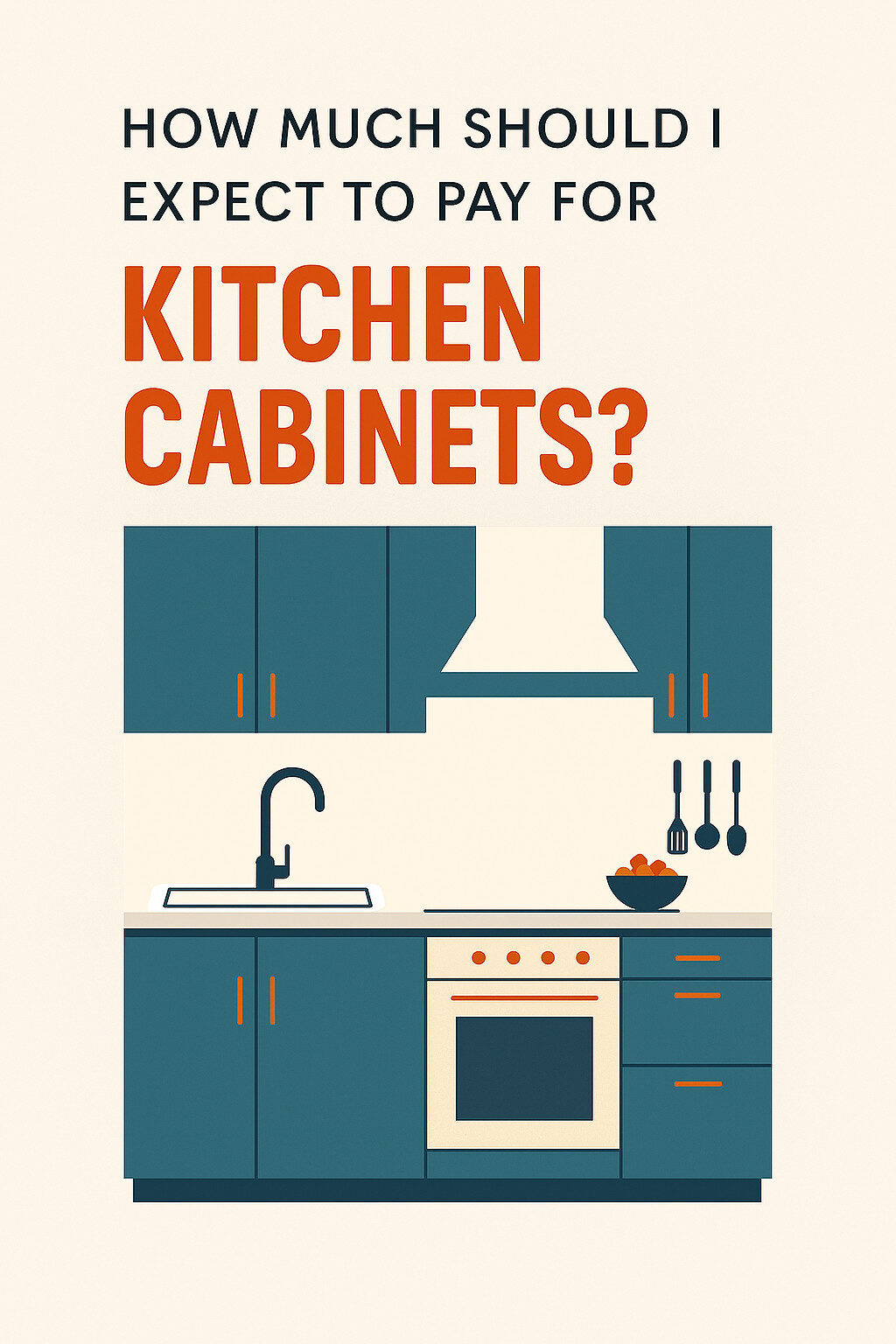
Drawers are a high-value upgrade. But don’t add every organizer known to man. Pick the few that solve real pain points.
Use a “hybrid” project approach
Many homeowners save money by:
- doing demo and prep themselves
- hiring a pro for cabinet installation and finish details
That keeps costs controlled while protecting the most visible craftsmanship.
What You Should Ask Before You Buy
Before committing to any cabinet quote, confirm:
- Is this price cabinets only or installed?
- Does it include panels, fillers, toe kicks, trim?
- Are soft-close hinges and slides included or optional?
- What is the lead time and what happens if parts arrive damaged?
- What’s the warranty and what voids it?
- Who is responsible for measurement verification?
These questions prevent 90% of cabinet-buying headaches.
Final Thoughts

So, how much should you expect to pay for kitchen cabinets? Most homeowners fall somewhere between a few thousand dollars for stock/RTA and tens of thousands for semi-custom or full custom—and the final total depends heavily on installation complexity and upgrade choices.
At House of cabinet, the most reliable path is the classic one: choose the right cabinet category for your home, plan the layout with discipline, then invest in the parts you touch every day—drawers, hinges, alignment, and finishing details. That’s how you get a kitchen that looks refined, works smoothly, and stays worth the money long after the remodel is finished.