

Kitchen Cabinets & Vanities Blog
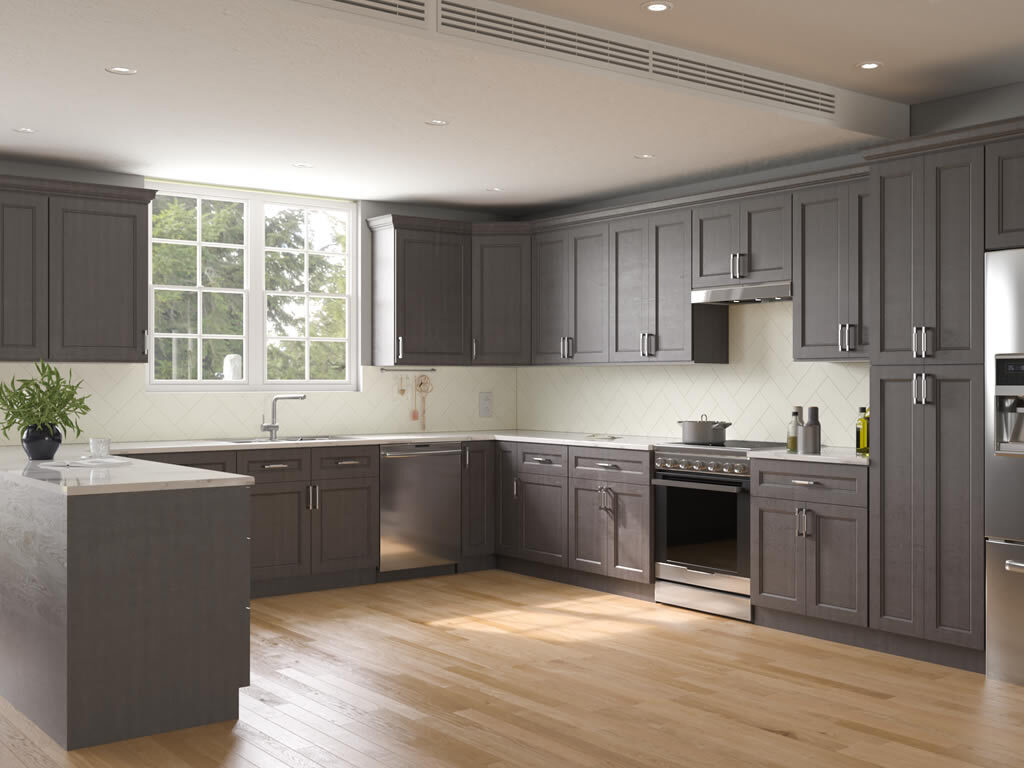
Choosing cabinets is one of the biggest decisions in any kitchen or bathroom project. Cabinets shape the look of the room, determine how well the space works every day, and influence long-term value. The original House of cabinet article covers the same core idea: cabinet selection should balance style, function, materials, and smart planning.
A good cabinet decision is not just about color or door style. It is about how your household lives. Do you cook daily, entertain often, need more hidden storage, or want a cleaner modern layout? When you answer those questions first, everything else becomes easier.
At House of cabinet, the best cabinet plans usually come from a simple process: define your needs, choose a style direction, compare materials, and build around real storage habits. This guide follows that same path so you can make a confident decision without overcomplicating the project.
Why Cabinets Matter More Than Most Homeowners Expect
Cabinets do more than fill wall space. They set the visual tone and control how smoothly your routine works.
Cabinets define the room’s style
In most kitchens, cabinetry takes up the largest visible surface area. That means your cabinets will influence the room more than paint, décor, or even lighting. Whether you prefer a classic Shaker look, a clean modern slab style, or something transitional, the cabinets lead the design.
Cabinets control your daily workflow
The right cabinet layout makes cooking, cleaning, and storage feel easy. The wrong layout creates constant friction. If your drawers are too small, your pantry is awkward, or your sink area lacks planning, the kitchen may look good but feel frustrating.
Cabinets support long-term home value
Quality cabinetry often improves resale appeal because buyers notice storage, finish quality, and overall layout. The House of cabinet article also highlights the role of cabinetry in both aesthetics and property value, which is exactly the right way to evaluate this investment.
Start With Your Needs Before You Pick a Style

Many homeowners start by choosing a color first. A better approach is to begin with function.
1. Define how the space will be used
Ask yourself:
-
Is this kitchen used for everyday cooking or light use?
-
Do you need more drawer storage or more shelves?
-
Do you want hidden storage for appliances?
-
Will more than one person use the kitchen at the same time?
If you are planning a bathroom or laundry room, the same logic applies. Daily use should guide cabinet choices before aesthetics.
2. Set a realistic budget range
Your budget should include more than cabinet boxes. Plan for:
-
Cabinet hardware
-
Trim and fillers
-
Delivery
-
Installation
-
Countertops
-
Any upgrades like pull-outs or organizers
A realistic budget protects you from overspending on appearance and underspending on function.
3. Identify storage priorities
The original article correctly emphasizes storage and organization as key cabinet benefits.
Before selecting cabinets, decide what matters most:
-
Deep drawers for pots and pans
-
Pantry storage
-
Trash and recycling pull-outs
-
Easy-access spice storage
-
Tall cabinets for bulk items
When storage priorities are clear, cabinet planning becomes much more efficient.
Choose a Cabinet Style That Matches Your Home
The House of cabinet page outlines traditional, modern, and transitional cabinet styles, which is a strong foundation for most remodel decisions.
Traditional cabinets
Traditional cabinets usually feature more decorative detailing, raised panels, and richer finishes. This style works especially well in homes with classic architecture or warmer interiors.
Best for:
-
Formal or classic homes
-
Rich wood finishes
-
Decorative molding details
Modern cabinets
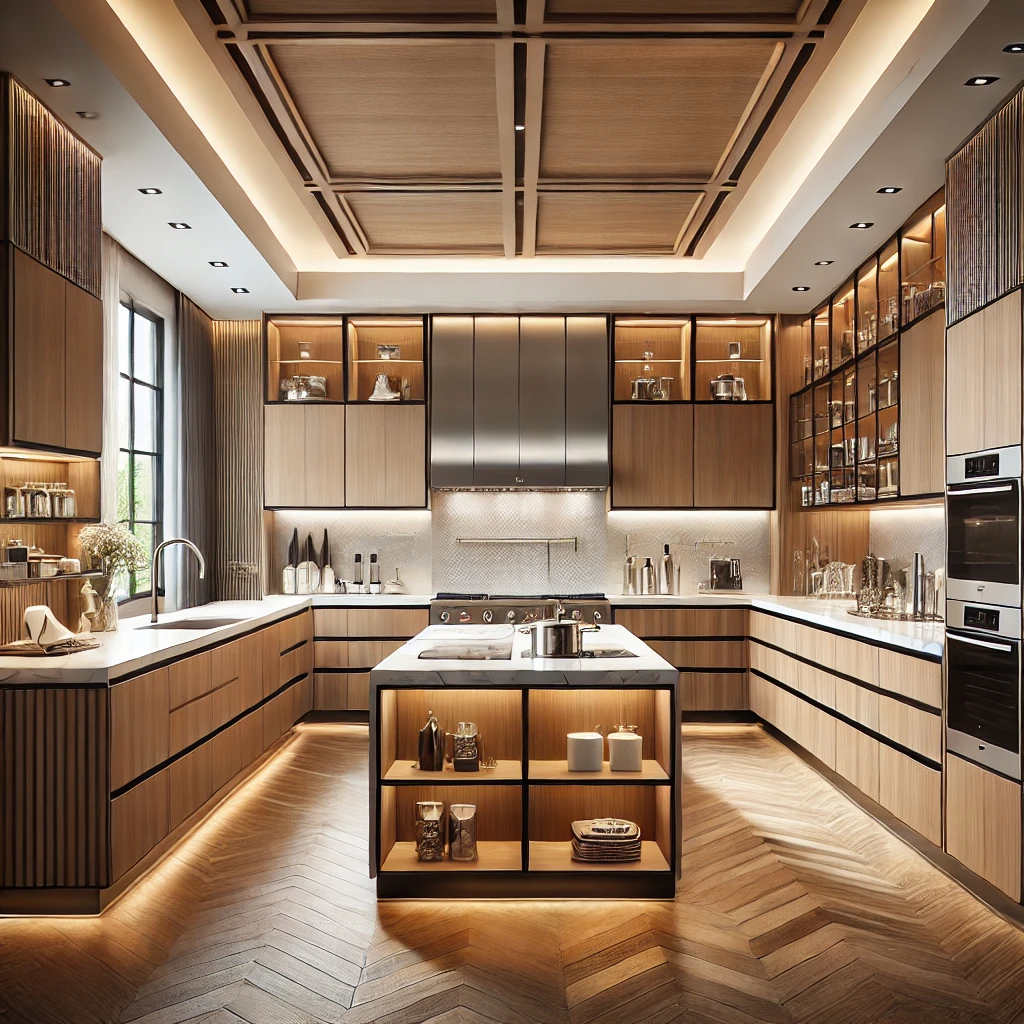
Modern cabinets are clean, minimal, and often streamlined in profile. They may use slab doors, simple hardware, or even handleless designs.
Best for:
-
Open-concept homes
-
Sleek, uncluttered kitchens
-
Matte or contemporary finishes
Transitional cabinets
Transitional style blends classic and modern elements, and it is often the safest long-term choice. It feels current without looking trendy.
Best for:
-
Homeowners who want timeless design
-
Shaker-style doors
-
Neutral colors with subtle contrast
If you are unsure, transitional cabinetry is usually the most flexible direction because it works with many countertop, backsplash, and hardware options.
Pick the Right Cabinet Material for Performance and Budget

Material choice affects durability, moisture resistance, finish quality, and cost. The original House of cabinet article references solid wood, MDF, and plywood as common options, and those are still the three most practical categories to compare.
Solid wood
Solid wood cabinets are durable and attractive, especially for painted or stained finishes. They are a strong long-term option but typically cost more and may require more maintenance depending on the environment.
Good fit when:
-
You want premium feel and longevity
-
You like natural wood grain
-
You are willing to invest more upfront
MDF
MDF is a cost-effective material often used for painted cabinet doors and panels. It can provide a smooth finish and performs well in many applications when manufactured properly.
Good fit when:
-
You want painted cabinetry
-
You need a more budget-conscious option
-
You want a clean, consistent surface
Plywood
Plywood is a popular cabinet box material because it balances durability, weight, and value. Many homeowners prefer plywood for cabinet construction, especially in kitchens.
Good fit when:
-
You want strength and reliability
-
You want a practical mid-to-premium option
-
You are comparing long-term value, not just lowest price
Material alone does not determine quality, but it is one of the most important indicators.
Choose Finishes That Look Good and Age Well
Cabinet finish affects both appearance and maintenance. The House of cabinet article points to painted, stained, and laminated finishes, which remain the most common options for kitchen and bath cabinetry.
Painted finishes
Painted cabinets offer a polished, versatile look and are especially popular in white, gray, navy, and warm neutral tones.
Best for:
-
Shaker and transitional kitchens
-
Light, bright spaces
-
Clean visual lines
Stained finishes
Stained cabinets highlight the wood grain and add warmth. They work especially well in traditional, rustic, and warm transitional interiors.
Best for:
-
Natural wood lovers
-
Timeless warmth
-
Richer visual texture
Laminated finishes
Laminate or laminate-look finishes can be easy to clean and often work well in modern kitchens.
Best for:
-
Low-maintenance households
-
Contemporary styles
-
Budget-friendly remodels
When choosing a finish, also consider your household habits. Fingerprints, moisture, and daily wear should influence the decision just as much as color.
Where to Buy Cabinets and How to Compare Options
The original article lists common buying paths such as large retailers, specialty brands, and House of cabinet, and it references brands like Forevermark and Fabuwood. That is a useful starting point, but the real key is knowing how to compare options correctly.
Compare cabinet lines, not just store names
A big mistake is assuming one retailer is always better than another. What matters more is the specific cabinet line and its specifications.
Check:
-
Cabinet box material
-
Drawer box construction
-
Hinge and slide quality
-
Finish durability
-
Assembly type (RTA or pre-assembled)
-
Warranty support
Use brand reputation as one factor, not the only factor
Brand names can help narrow choices, but they should not replace spec review. A well-built cabinet line from a less-hyped source can be a better value than a weaker line with a familiar name.
Buy from a source that supports planning
The best cabinet suppliers do more than sell boxes. They help with:
-
Layout guidance
-
Product matching
-
Finish coordination
-
Ordering accuracy
That support can prevent costly mistakes and delays.
Who Should Invest in Higher-Quality Cabinets?
The House of cabinet page mentions homeowners, real estate investors, and interior designers as key groups who benefit from quality cabinetry. That is exactly right.
Homeowners planning to stay long term
If this is your long-term home, quality cabinets are usually worth the investment. Better construction, smoother hardware, and durable finishes improve everyday life and reduce the need for early replacement.
Real estate investors
Investors need a balance of cost and durability. Cabinets should look clean and appealing, but they also need to hold up to tenant use or resale presentation.
Designers and contractors
Professionals need consistency, reliable sizing, and finish options that help them deliver clean results. Good cabinetry makes installation and final styling easier.
Maintenance Tips That Protect Your Cabinet Investment
Cabinets last longer when they are maintained properly. The original article includes simple cleaning guidance, and that is a smart point to keep in any cabinet guide.
Daily care
-
Wipe surfaces with a soft microfiber cloth
-
Clean spills quickly, especially near sink areas
-
Avoid letting moisture sit on doors or edges
Monthly deeper cleaning
-
Use mild soap and warm water
-
Dry surfaces after cleaning
-
Check hardware and hinges for looseness
Avoid damaging products
Harsh chemical cleaners can wear down finishes over time. Stick to gentle cleaners unless the manufacturer specifically approves something stronger.
Small maintenance habits make a big difference in how cabinets look after five to ten years.
Common Mistakes to Avoid When Choosing Cabinets
Even strong cabinet products can disappoint if the planning is weak. Avoid these common mistakes:
Choosing style before layout
A beautiful cabinet door will not fix a poor floor plan. Start with storage and workflow first.
Ignoring material and hardware quality
Two cabinets can look similar online but perform very differently. Always compare specs.
Underestimating storage needs
Most people need more drawer storage than they think. Plan for daily items, not just visual symmetry.
Mixing too many design directions
If your cabinets, hardware, counters, and backsplash all compete, the kitchen feels busy. Keep the design language consistent.
Skipping professional help when needed
DIY is possible in many cases, but layout errors and installation mistakes can be expensive. If the project is complex, expert guidance is often worth it.
Final Thoughts
Choosing the perfect cabinets is really about making smart decisions in the right order: function first, style second, materials third, and finishes that support how you live. The House of cabinet article frames this well by focusing on style, storage, materials, maintenance, and trusted cabinet brands in one guide.
For House of cabinet, the strongest cabinet projects usually come from a practical mindset. Pick cabinets that fit your space, support your routine, and still look right years from now. That is how you get a kitchen or bath that feels truly finished, not just renovated.