

Kitchen Cabinets & Vanities Blog
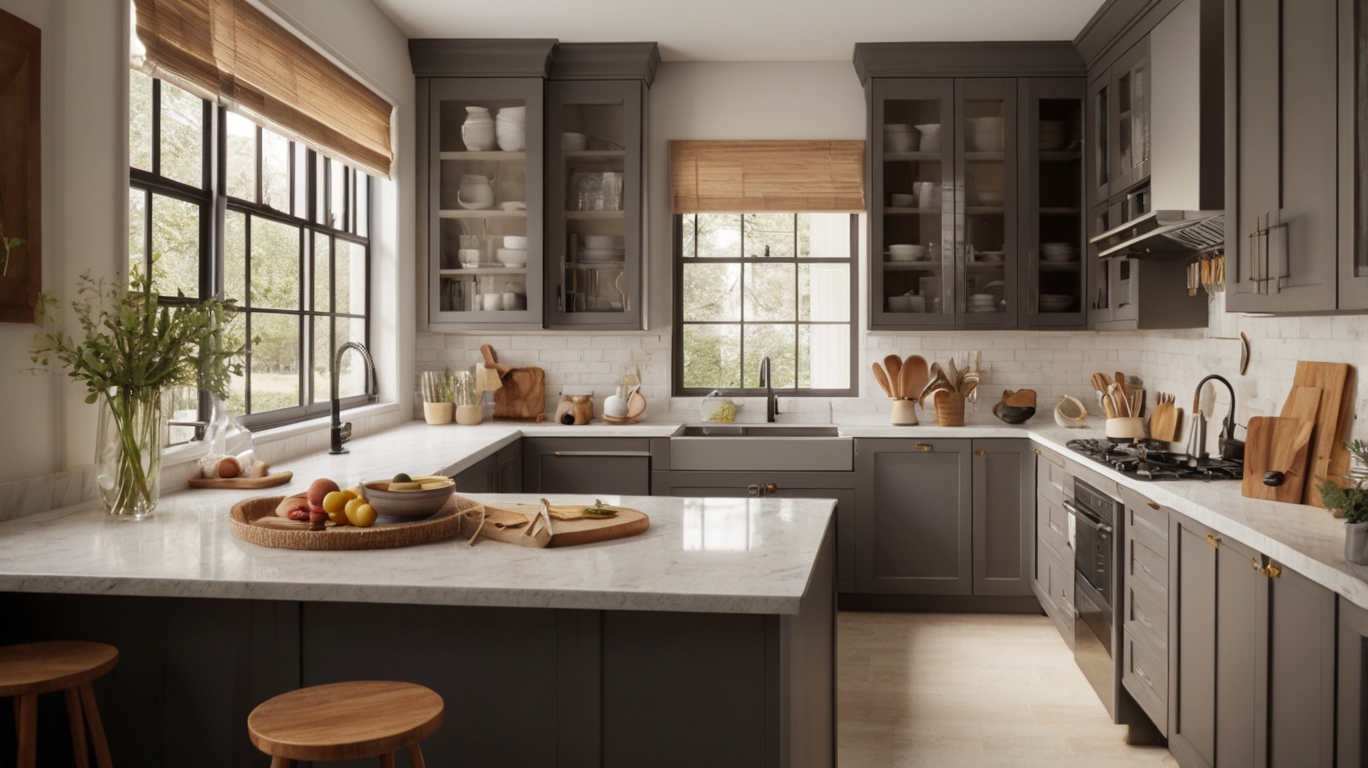
Kitchen design in 2025 is shaped by a growing expectation that spaces should respond intelligently to daily life. As technology becomes more embedded in the home, cabinetry is no longer limited to storage and structure. Smart kitchen cabinets represent the natural evolution of modern kitchens, combining thoughtful design with integrated technology to improve efficiency, organization, and comfort.
American homeowners increasingly view the kitchen as a multifunctional environment. It supports cooking, entertaining, remote work, and family routines. Smart cabinet solutions align with this reality by reducing friction in everyday tasks and making the kitchen easier to use.
What Makes Kitchen Cabinets Smart
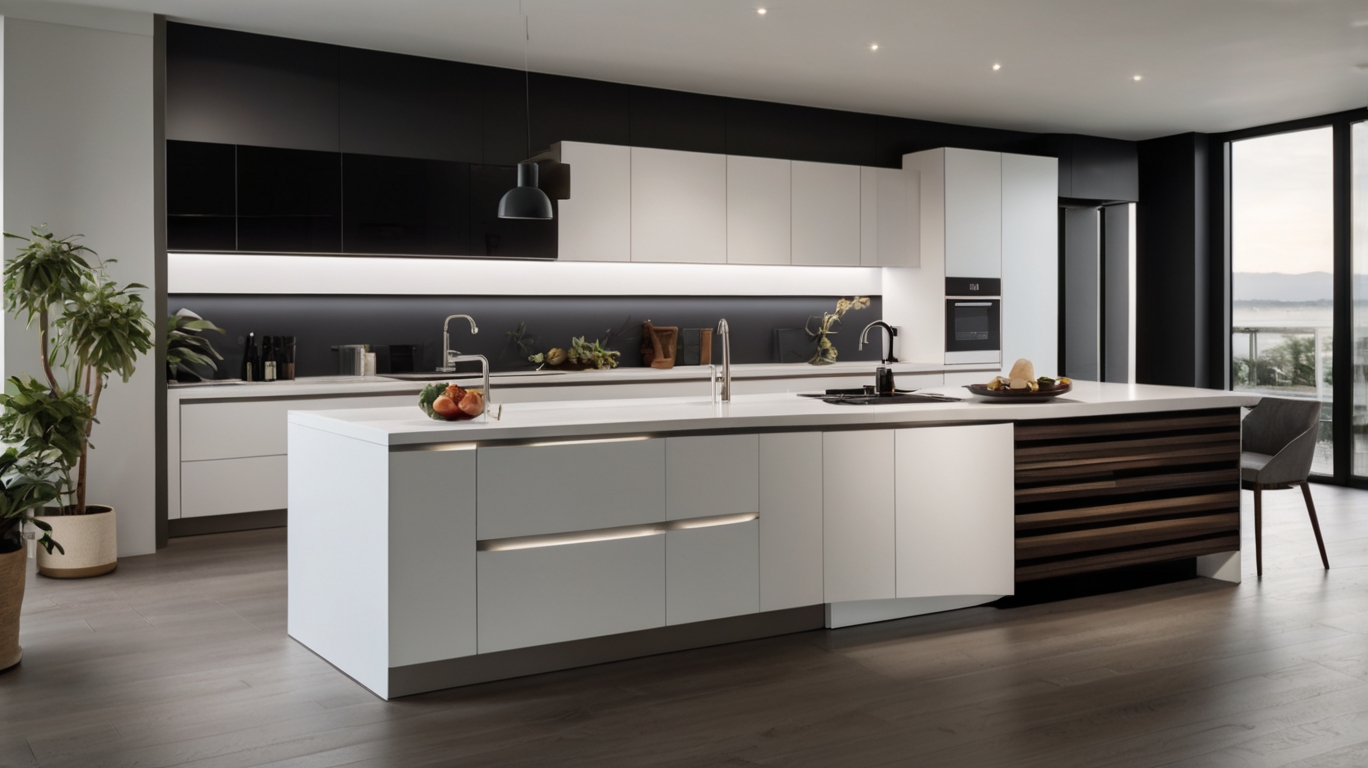
Smart kitchen cabinets incorporate technology that enhances usability without overwhelming the design. This technology is often subtle and integrated directly into cabinet systems rather than added as separate devices.
In 2025, smart features commonly include sensor-activated lighting, soft-close mechanisms with enhanced control, charging stations hidden within drawers, and connectivity that supports smart home ecosystems. The goal is not to turn cabinets into gadgets but to make them responsive and intuitive.
These innovations are designed to support real-life use rather than novelty. When implemented correctly, smart cabinets feel natural and unobtrusive.
Why Smart Cabinets Are Gaining Momentum
The demand for smart kitchen cabinets reflects a broader shift toward convenience and efficiency. Homeowners want kitchens that anticipate needs rather than require constant adjustment.
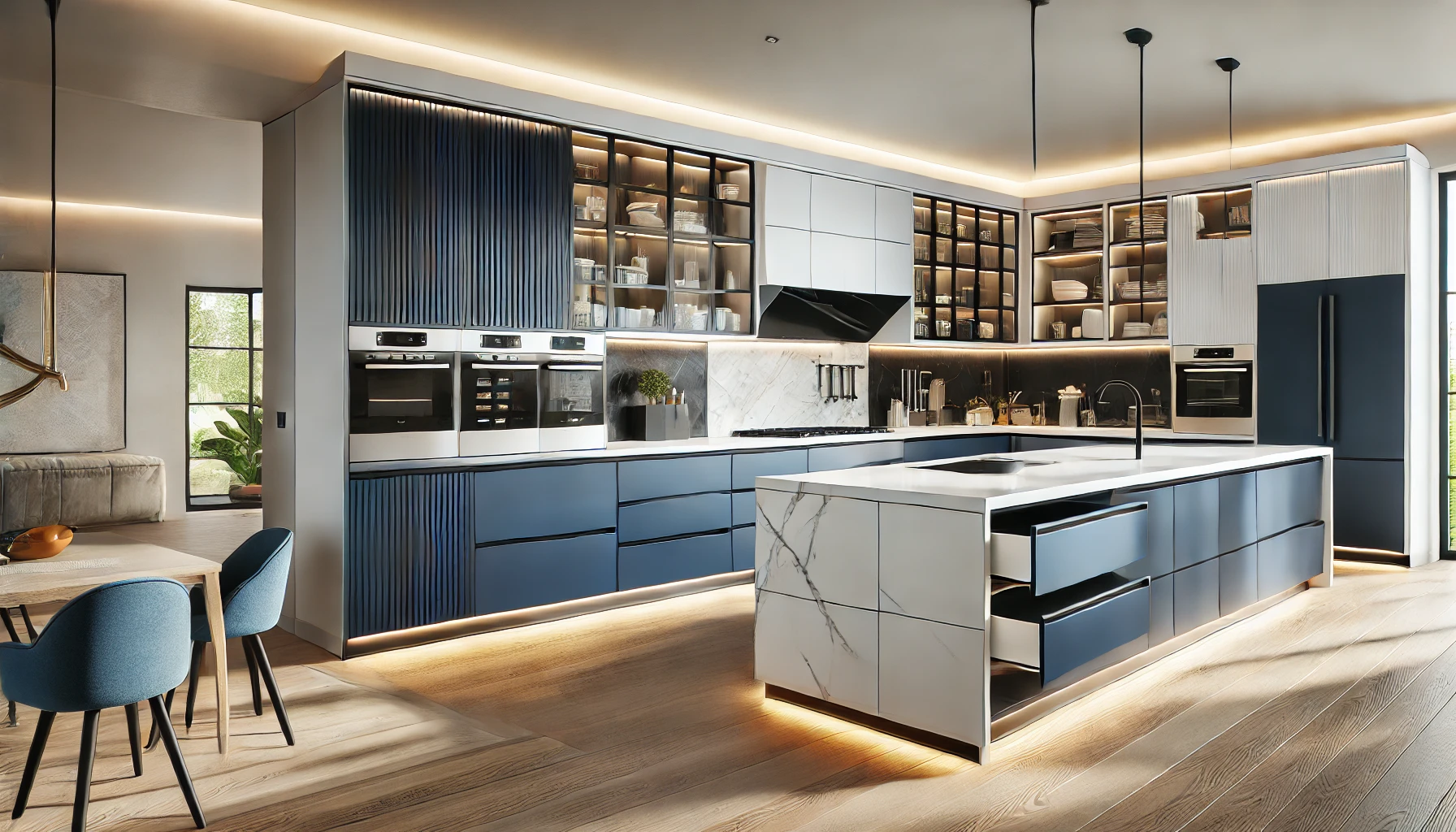
Lighting is one of the most widely adopted smart features. Interior cabinet lights that activate when doors open improve visibility and reduce reliance on overhead lighting. This is especially useful in early mornings or late evenings when softer illumination is preferred.
Smart cabinets also support organization. Technology helps reduce clutter by making storage more accessible and easier to manage. In busy households, this efficiency has a noticeable impact on daily routines.
Integrated Lighting and Visibility
Lighting plays a central role in smart cabinetry. LED systems are commonly integrated under shelves, inside drawers, and along cabinet interiors. These lights often respond automatically to motion or door movement.
In 2025, homeowners favor lighting that enhances functionality while maintaining a calm atmosphere. Warm light tones and adjustable brightness levels help cabinets feel supportive rather than distracting.
Integrated lighting also highlights cabinet interiors, making it easier to locate items and maintain organization. This practical benefit contributes significantly to the appeal of smart cabinets.
Smart Storage and Organization Features
Storage design has become more intelligent alongside technology. Smart kitchen cabinets often include drawer systems that are optimized for specific tasks. Built-in charging drawers, appliance garages with power access, and pull-out systems designed for efficient workflow are now common requests.
These features reduce countertop clutter and help kitchens maintain a clean and organized appearance. By integrating technology into storage, homeowners can keep essential devices accessible without disrupting the design.
In 2025, smart storage focuses on supporting habits rather than adding complexity.
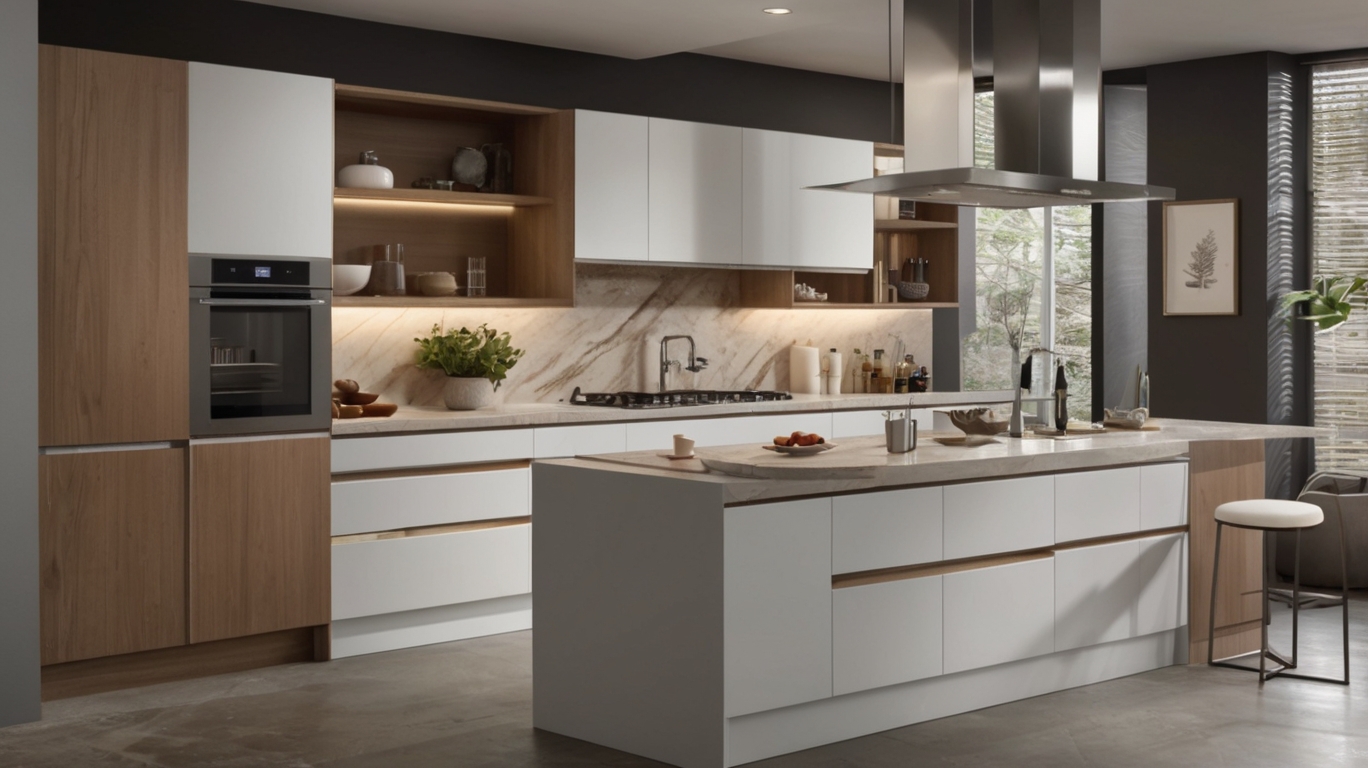
Connectivity and Smart Home Integration
Smart kitchen cabinets increasingly align with broader smart home systems. While cabinets themselves are not typically controlled by apps, they often support connected environments through integrated power solutions and compatible lighting systems.
This integration allows cabinets to work alongside smart appliances and home automation features. The result is a kitchen that feels cohesive and responsive rather than fragmented.
Homeowners value technology that enhances comfort without requiring constant interaction. Smart cabinets achieve this by functioning quietly in the background.
Design Balance and Aesthetic Considerations
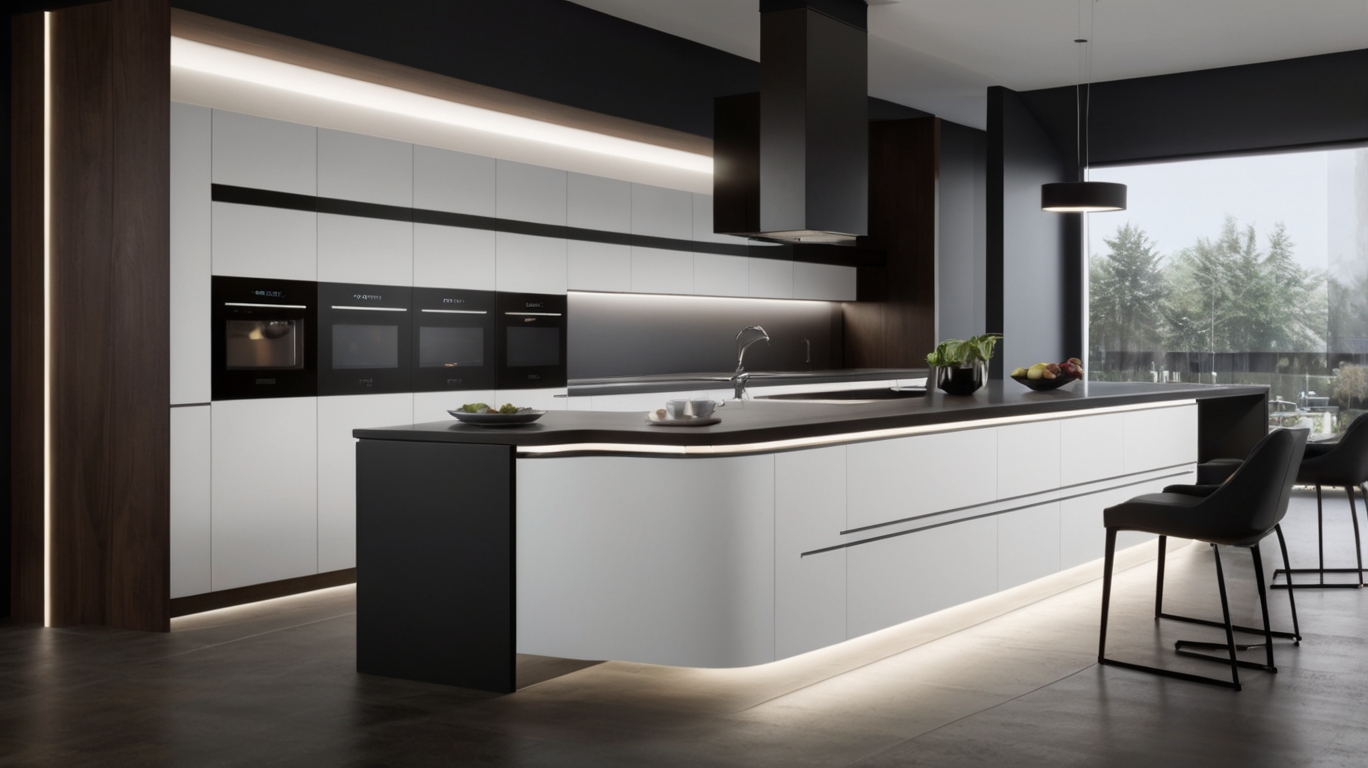
A key challenge in smart kitchen design is maintaining visual simplicity. Technology must not dominate the appearance of the cabinets. In 2025, successful smart cabinetry prioritizes clean lines, hidden components, and seamless integration.
Designers often recommend pairing smart features with timeless cabinet styles. This ensures that technology enhances functionality without locking the kitchen into a short-lived trend.
Smart cabinets are designed to age gracefully, allowing technology to support the space rather than define it.
Materials and Durability in Smart Cabinet Systems
Technology integration places additional demands on cabinet construction. Materials must support wiring, lighting systems, and moving components without compromising stability.
High-quality construction is essential to ensure long-term performance. In 2025, homeowners expect smart cabinets to perform as reliably as traditional cabinetry. Durability remains a priority, especially in kitchens with heavy daily use.
Well-designed smart cabinets combine strong construction with thoughtful technology placement.
Who Benefits Most From Smart Kitchen Cabinets
Smart kitchen cabinets appeal to a wide range of homeowners. Families appreciate features that improve organization and reduce daily friction. Professionals working from home benefit from integrated charging and efficient storage. Homeowners planning long-term renovations value the added convenience and adaptability.
Rather than targeting a niche audience, smart cabinets support modern lifestyles across different household types. Their appeal lies in practicality rather than exclusivity.
Planning Smart Cabinet Features in a Kitchen Renovation
Successful smart cabinet integration begins with planning. Homeowners should consider how they use the kitchen and which features genuinely support those habits.
Technology should be selected intentionally. Overloading cabinets with unnecessary features can reduce usability. In 2025, the most effective smart kitchens focus on a few well-chosen enhancements that improve everyday comfort.
Early coordination with designers and installers ensures that wiring and placement are handled cleanly and safely.
How Smart Cabinets Reflect Modern Kitchen Priorities
Smart kitchen cabinets reflect a shift toward thoughtful, user-focused design. Rather than emphasizing spectacle, modern kitchens prioritize ease, efficiency, and comfort.
Technology in cabinetry supports these values by making kitchens more responsive and organized. When done well, smart cabinets feel like a natural extension of the space.
This approach aligns with broader home design trends that favor functionality paired with understated innovation.
Understanding Smart Cabinets in the Bigger Picture
The rise of smart kitchen cabinets highlights how technology is shaping everyday environments. Kitchens are no longer static spaces. They adapt to routines, preferences, and changing needs.
Smart cabinetry contributes to this evolution by supporting daily life quietly and effectively. In 2025, this balance between technology and design defines the most successful kitchens.
FAQ: Smart Kitchen Cabinets
What are smart kitchen cabinets?
They are cabinets with integrated technology that improves lighting, storage, and usability.
Do smart cabinets require complex systems?
No. Most features operate automatically and do not require active management.
Are smart cabinets suitable for all kitchens?
Yes. They can be adapted to both small and large kitchen layouts.
Do smart cabinets affect design aesthetics?
When integrated properly, they maintain clean lines and a timeless appearance.