

Kitchen Cabinets & Vanities Blog

Cabinet doors set the tone of a kitchen more than almost anything else. They control the lines you see, the shadows you feel, and whether the room reads as classic, modern, warm, or architectural. That’s why the Shaker vs. slab decision matters: you’re not just picking a door style—you’re choosing the visual “language” your kitchen will speak for years.
Both styles can look high-end. Both can be timeless. The right answer depends on your home’s architecture, your maintenance tolerance, your budget priorities, and how you want the kitchen to feel day to day. At House of cabinet, the best choice is the one that stays beautiful and practical long after the first “wow” moment.

What Shaker Cabinets Are
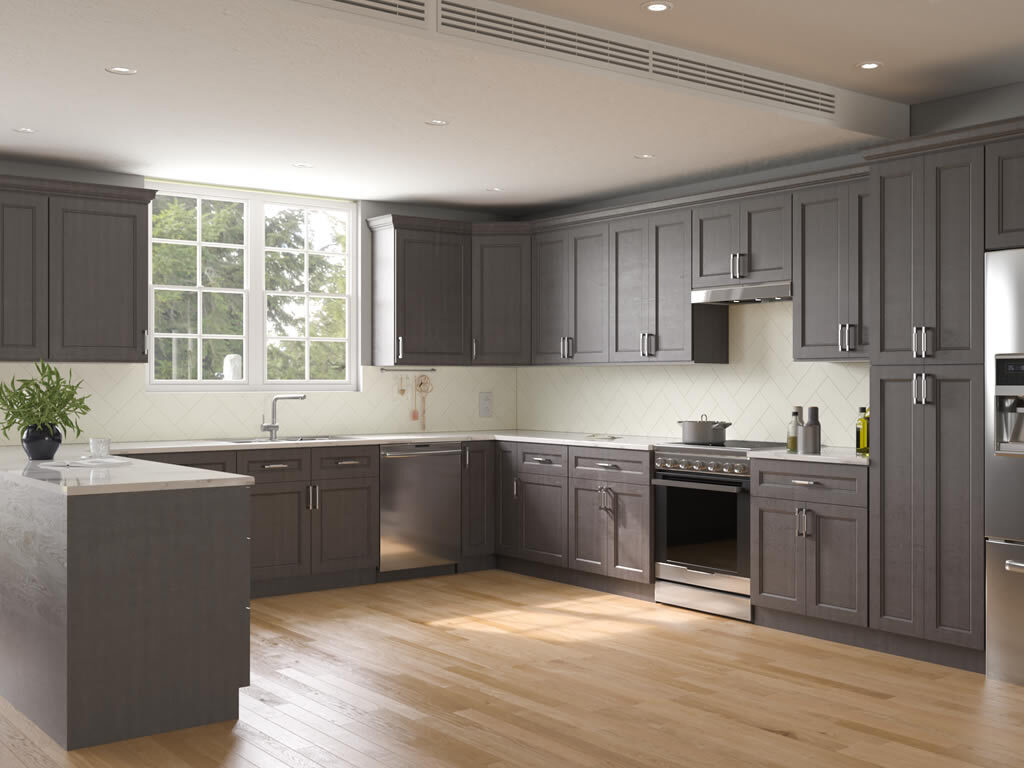
Shaker doors are defined by a simple frame-and-panel look: a flat center panel surrounded by a clean, squared frame. The style has been popular for decades because it sits in a sweet spot—detailed enough to feel finished, simple enough to avoid dating quickly.
What Shaker communicates
Shaker reads as:
- Classic and balanced
- Warm and welcoming
- Clean but not cold
- Flexible across design eras
This is why Shaker works in everything from older traditional homes to brand-new builds. It doesn’t fight the rest of your design; it supports it.
What Slab Cabinets Are
Slab doors (also called flat-panel) are exactly what they sound like: a single flat surface with no frame detail. This creates a crisp, uninterrupted look that feels modern and architectural.
What slab communicates
Slab reads as:
- Modern and minimal
- Bold in its simplicity
- Sleek and structured
- Design-forward and intentional
If you love clean lines and want the kitchen to feel visually quiet, slab can be the perfect move.
Visual Style: Which One Fits Your Home Better?
The quickest way to choose is to match cabinet style to the “bones” of your home.
Shaker fits best when your home leans traditional or transitional
If you have traditional trim, classic windows, warmer flooring, or a more established architectural feel, Shaker tends to look like it belongs. It complements natural materials and classic proportions.
Slab fits best when your home leans modern
If your home has open layouts, large windows, cleaner trim profiles, and modern finishes, slab doors usually feel more natural. They align with contemporary interiors and minimalist design.
The “hybrid truth”
Many homes today are transitional. In those spaces:
- Shaker feels safe and timeless
- Slab feels bold and contemporary
If you’re unsure, ask yourself one question: Do I want this kitchen to feel softer or sharper?
Shaker gives softness. Slab gives sharpness.
Budget and Value: Where the Cost Differences Come From
People often assume Shaker is always cheaper or slab is always more expensive. In reality, cost depends on materials, finish, and construction quality. Still, there are common patterns.
Shaker can be cost-efficient and forgiving
Because Shaker is widely produced and popular, it’s available across many price tiers. It also hides minor wear better than slab because the frame detail breaks up the surface visually.
Slab can trend higher in “perfect finish” expectations
Slab’s simplicity is also its challenge: the door surface becomes a large, uninterrupted plane. That means dents, waviness, or finish inconsistency can show more easily. A truly premium slab kitchen often relies on:
- high-quality finishing
- excellent hardware alignment
- precision installation
That said, slab can still be a strong value when executed well—especially if you prefer minimalism and plan the rest of the kitchen with discipline.
Maintenance and Daily Living
This is where many homeowners decide without realizing it. Your cabinet style should match how your household actually lives.
Shaker maintenance reality
Shaker’s frame detail creates subtle grooves and edges. That means:
- a little more dust collection at the frame edges
- slightly more time when wiping down door profiles
It’s not difficult—just a bit more detailed than slab.
Slab maintenance reality
Slab doors are fast to wipe because they’re flat. But:
- fingerprints can show more clearly on flat surfaces (especially on darker colors)
- any smudges or streaks are more visible if lighting hits the doors directly
If you have kids, heavy daily cooking, or you prefer low-fuss upkeep, choose finishes carefully. Matte and satin finishes usually age more gracefully than high-gloss.
Durability and Finish: What Matters More Than the Style
Shaker vs slab isn’t the true durability decision. Construction and finish quality are.
What to evaluate for either door style
- hinge quality and adjustment range
- drawer slides (soft-close, smooth travel)
- door finish durability (edge wear, cleaning resistance)
- door material stability (especially in humid kitchens)
A well-built Shaker door can outperform a weak slab door, and vice versa. Treat “style” as the look, and treat “specs” as the performance.
Design Pairing Tips That Make Each Style Look Expensive
A kitchen looks high-end when the cabinet style matches the finishes around it.
Shaker pairing strategy
Shaker shines with warmth and balance. It pairs beautifully with:
- warm whites and soft neutrals
- natural wood accents
- classic metal finishes (brushed brass, polished nickel)
- simple, timeless countertops
Shaker mistake to avoid
Over-styling. If you add heavy crown, ornate hardware, busy backsplash, and dramatic countertops all at once, Shaker can start leaning overly traditional. Keep one or two elements classic and let the rest stay clean.
Slab pairing strategy
Slab is at its best when the entire kitchen supports minimalism:
- calm countertops (or one intentional statement stone)
- simple backsplash
- clean lighting selection
- consistent hardware placement
Slab mistake to avoid
Mixing too many decorative elements. Slab doors want clarity. If the backsplash is busy and the lighting is ornate, the kitchen can feel visually confused.
Hardware: The Detail That Changes Everything
Hardware behaves differently on Shaker vs slab.
Shaker hardware tips
- Knobs and pulls both work well
- Traditional shapes feel natural
- You can use slightly smaller hardware without losing presence
Slab hardware tips
- Longer pulls often look better
- Minimal, linear shapes feel most cohesive
- Consistent placement is critical (misalignment shows fast)
If you love the handle-free look, slab is usually the easier match—but plan it around real-world use, because convenience matters more than showroom purity.
Resale and Long-Term Appeal
Most buyers respond well to kitchens that feel clean, functional, and timeless.
Shaker resale advantage
Shaker is widely accepted across markets because it reads as “classic and safe.” If resale flexibility matters, Shaker is often the lower-risk choice.
Slab resale advantage
Slab appeals strongly to buyers who want modern design. In newer neighborhoods or modern homes, slab can look premium and intentional—especially when paired with quality stone and lighting.
The safest long-term play
If you’re optimizing for “most people will like this,” Shaker tends to win. If you’re optimizing for “this home is clearly modern,” slab can be the better match.
A Practical Decision Checklist
Choose Shaker if:
- your home leans traditional or transitional
- you want timeless comfort over sharp minimalism
- you want a style that adapts easily to future updates
- you prefer a forgiving look for day-to-day wear
Choose Slab if:
- your home leans modern and clean-lined
- you want a sleek, architectural kitchen
- you’re committed to a disciplined, minimal design plan
- you prefer simple wipe-down surfaces and can manage fingerprint visibility
Final Recommendation
Shaker and slab are both strong choices—when they fit the home and are executed with care. Shaker delivers timeless warmth and broad appeal. Slab delivers modern clarity and a high-end, architectural feel. The best decision is the one that matches your home’s character and your daily reality.
At House of cabinet, we like choices that hold up. If you want the safest timeless cabinet door, lean Shaker. If you want modern restraint and clean geometry, lean slab. Either way, prioritize build quality, finish durability, and precise installation—because that’s what turns a cabinet style into a kitchen you’ll be proud of for years.