

Kitchen Cabinets & Vanities Blog

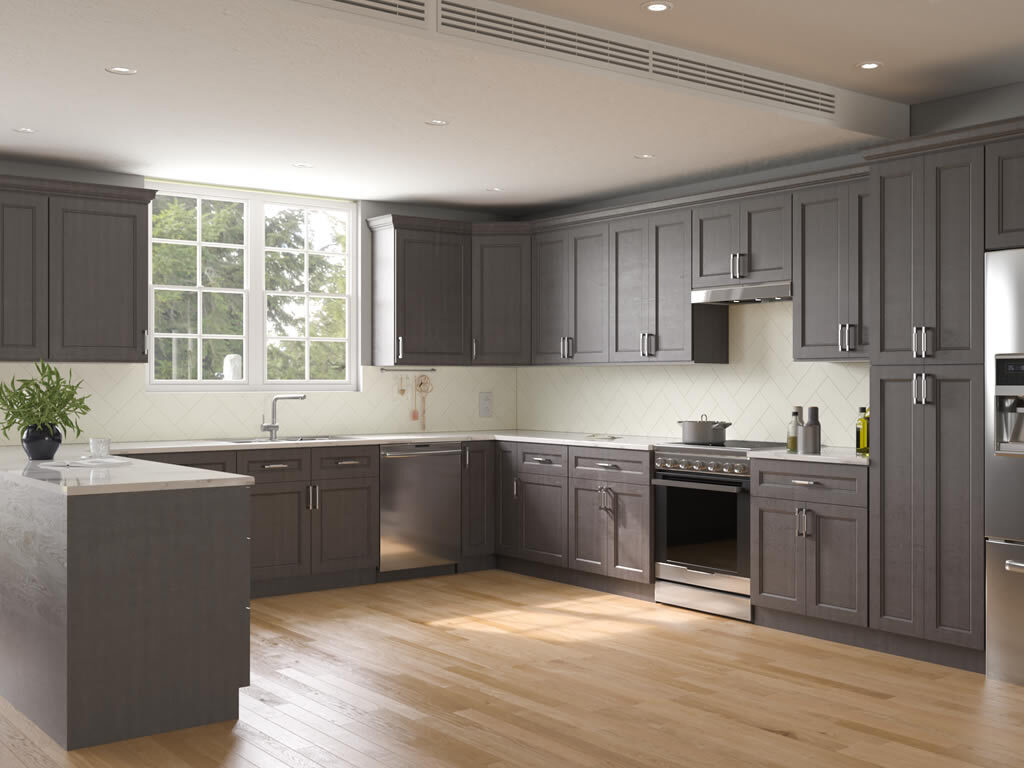
Fabuwood kitchen cabinets are often on the shortlist for homeowners who want a kitchen that looks polished without pushing the budget into full custom territory. The appeal is straightforward: recognizable door styles, popular finishes, and a product range that can fit everything from a modest refresh to a full remodel.
Still, cabinets are not a “pretty photo” purchase. What matters is how they perform in real life: how the doors hold alignment, how drawers glide after months of use, and how the finish behaves around heat, steam, and daily touch points. At House of cabinet, we look at cabinetry the traditional way: evaluate the build, plan the layout with discipline, then choose the style that fits the home and will still feel right years later.
This guide breaks down what to know before choosing Fabuwood, what to check when comparing options, and how to decide if it matches your kitchen goals.
Why Homeowners Consider Fabuwood
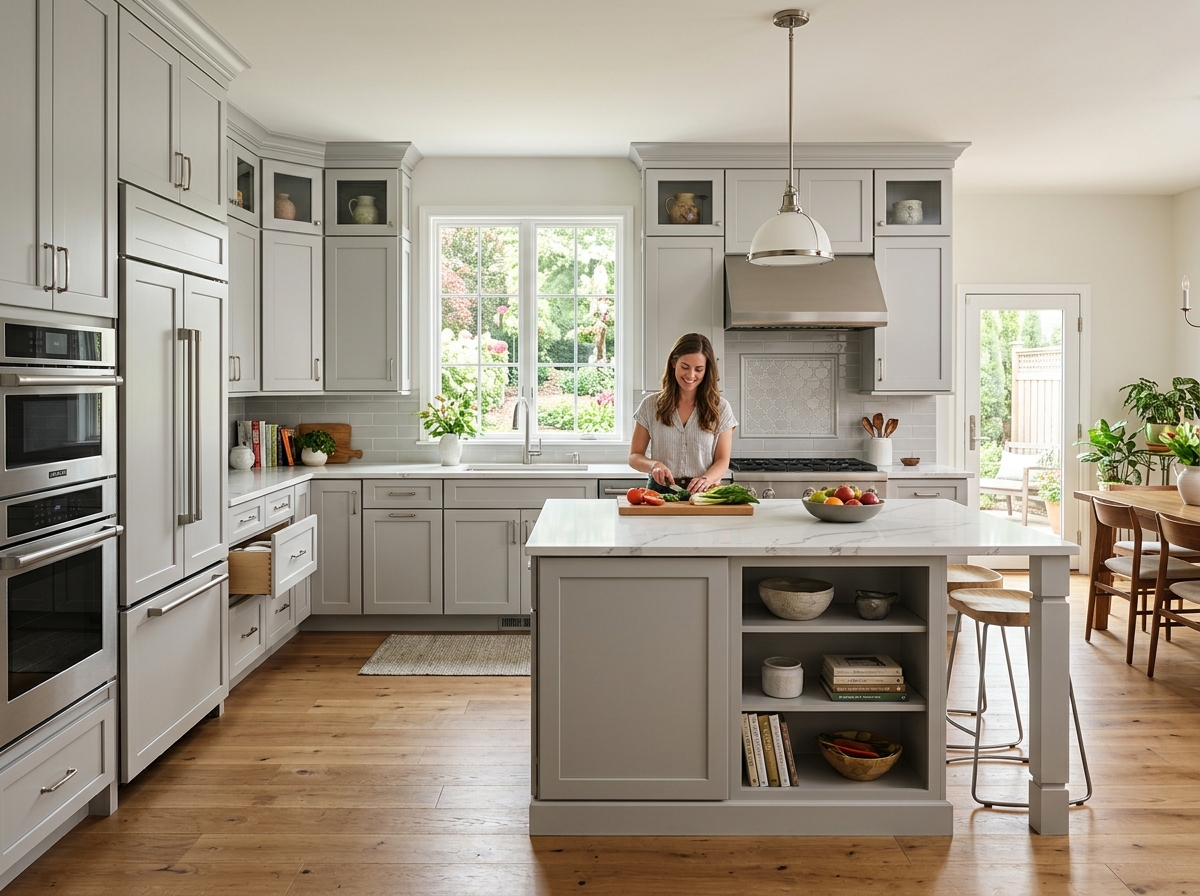
Fabuwood tends to attract buyers who want “upgrade value.” In practical terms, that usually means:
- A more elevated look than entry-level cabinetry
- A range of door styles that can fit modern, transitional, and classic kitchens
- Broad finish choices that align with current American design preferences
- A cabinet program that can scale across many layouts and sizes
For many kitchens, that combination hits a sweet spot. But the smartest decision comes from knowing what to inspect and what to prioritize.
Style and Door Profiles
Cabinet doors are the “face” of the kitchen. If you get the door profile right, the entire space reads more intentional.
Shaker and clean-frame styles
These are typically the safest long-term choices because they fit most homes. Shaker doors balance simplicity and detail, which helps them age well.
Best for:
- Transitional kitchens
- Homes with classic trim and warmer floors
- Buyers who want resale-friendly design
Slim Shaker or modern Shaker variations
A slimmer frame feels more modern and tailored while still keeping a classic structure.
Best for:
- Newer builds
- Open layouts
- Minimalist kitchens that still want warmth
Raised panel directions
Raised panel doors bring depth and a more traditional feel. They can look premium when paired with warm finishes and classic hardware, but they must match the home’s architecture to look “right.”
Best for:
- Traditional homes
- Larger kitchens that can carry more detail
- Warm wood stains and creamy whites
Slab and flat-panel looks
Flat doors deliver a modern, architectural vibe. They demand precision in installation because misalignment shows quickly.
Best for:
- Contemporary homes
- Clean backsplash and countertop choices
- Homeowners who prefer minimal visual breaks
Finish Choices That Usually Win
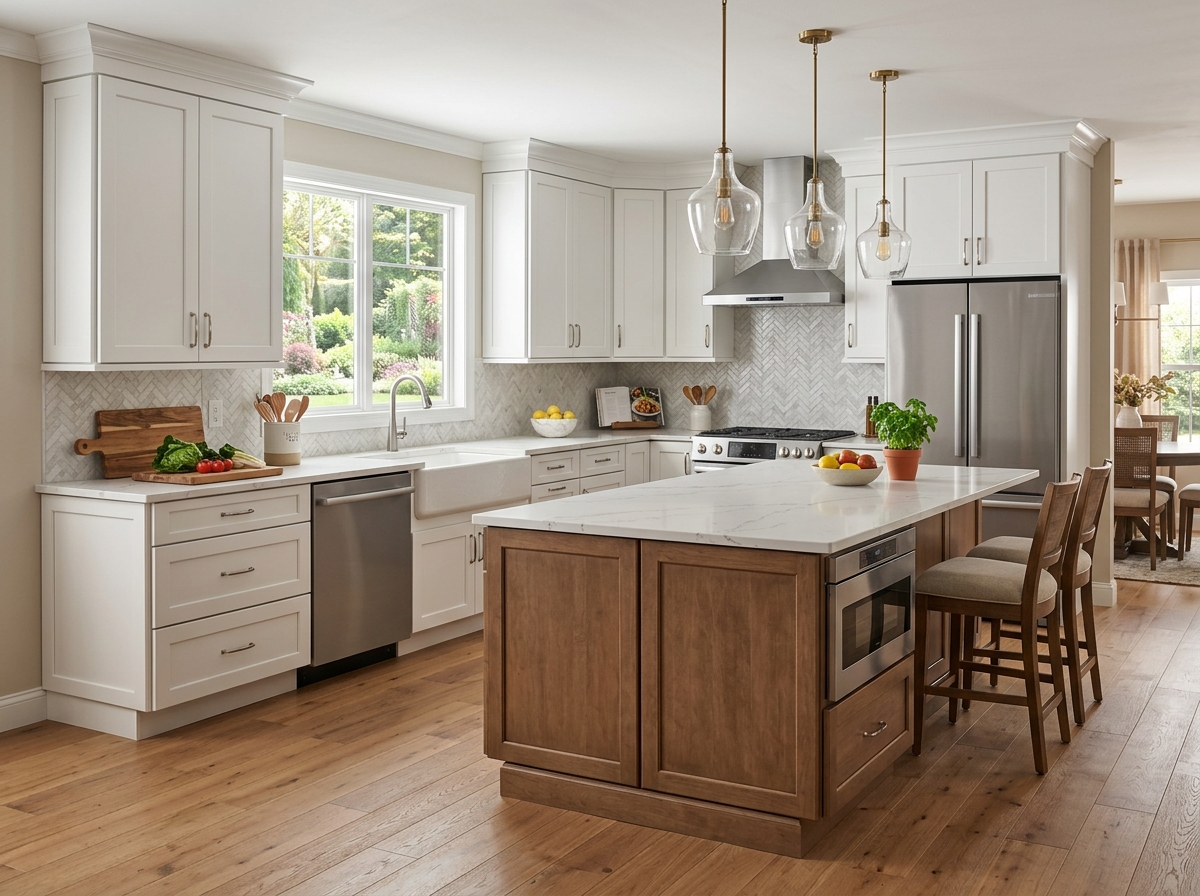
Finish is where many kitchens either feel cohesive or slightly off. The best approach is to choose finishes that agree with your lighting and your fixed surfaces.
Warm whites and soft off-whites
These remain top performers because they brighten the room without looking harsh.
Pair well with:
- Warm wood floors
- Brass or champagne bronze hardware
- Light quartz countertops
Greige, taupe, and warm neutrals
These finishes communicate comfort and timelessness. They are often a smart pick when white feels too bright and gray feels too cool.
Pair well with:
- Beige stone tones
- Natural wood accents
- Bronze or brushed nickel hardware
Deep blues, charcoals, and darker tones
Dark cabinets can look expensive and intentional, especially in kitchens with good light. The key is contrast and lighting.
Pair well with:
- Light countertops
- Under-cabinet lighting
- Simple backsplash patterns
Wood looks and natural tones
Wood finishes add warmth and authenticity. When done cleanly, they feel timeless rather than trendy.
Pair well with:
- Matte black accents for modern contrast
- Simple counters that don’t compete with grain
- Warm metals for a richer, classic feel
Construction and Daily Performance
This is where cabinet value is decided. A kitchen can look beautiful on day one and feel frustrating if drawers bind, doors drift, or finishes chip in high-use areas.
What to check on cabinet boxes
Even if you love the door style, evaluate the cabinet box like you’re buying furniture:
- Does the box feel rigid and square?
- Are corners and joints clean and consistent?
- Do shelves feel stable and properly supported?
- Is the sink base configured to handle real-life storage needs?
A strong cabinet box is the foundation of a kitchen that stays aligned.
Drawer systems matter more than most people think
In daily use, drawers are where quality shows up fastest. Look for:
- Smooth travel (no grinding, no wobble)
- Consistent soft-close action
- Strong drawer box construction
- Good alignment when closed
A kitchen that feels premium usually has more drawers than doors, especially in base cabinets.
Hardware quality is not a small detail
Soft-close hinges and slides are not just “nice.” They reduce long-term wear and help doors stay aligned. If you want your cabinets to keep that clean showroom look, quality hardware is part of the deal.
RTA vs Pre-Assembled Reality
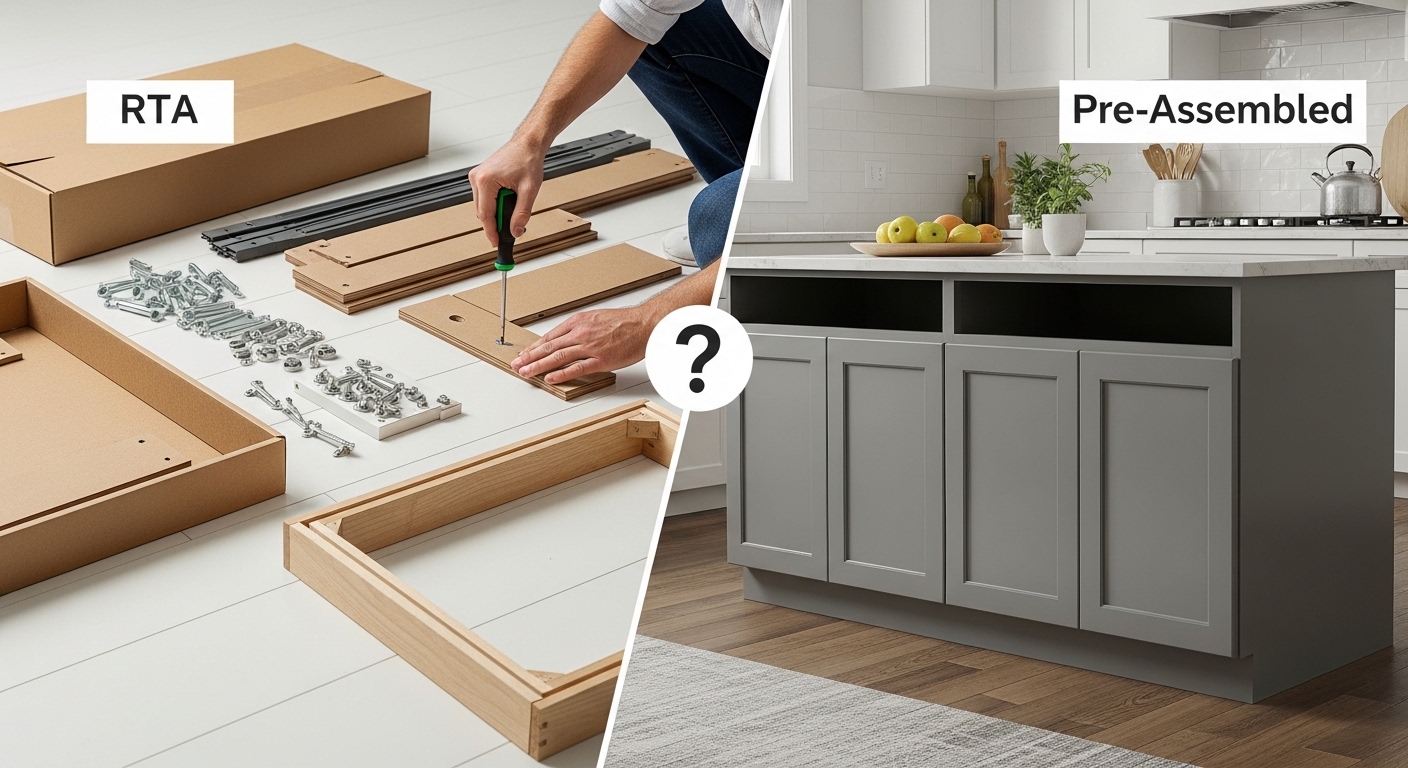
Many homeowners don’t realize how much the assembly path affects the experience.
If you go RTA
RTA can be a smart value move, but only if assembly is done carefully. A cabinet that is slightly out of square during assembly can create door and drawer issues that show later.
RTA tends to fit homeowners who:
- Have the space to stage and assemble
- Are patient with precision steps
- Want to control costs and timing
If you want less friction
Pre-assembled cabinets reduce steps at home and often simplify the install timeline. This can matter a lot if you’re living through the remodel and want the kitchen back quickly.
At House of cabinet, we often tell homeowners a simple truth: you don’t just buy cabinets, you buy a process. Choose the process that matches your timeline and your tolerance for project complexity.
Storage Planning That Makes Fabuwood Feel High-End
Cabinet choice alone doesn’t create a premium kitchen. Layout and storage planning do. If you want a kitchen that feels “custom,” focus on how it works.
Prioritize high-use zones
Plan these first:
- Sink zone (trash/recycling, cleaning storage)
- Cooking zone (pots, pans, trays near the range)
- Prep zone (utensils, knives, cutting boards)
If those zones are right, the kitchen feels effortless.
Choose drawers strategically
Deep drawers for pots and pans, wide drawers for dish stacks, and drawer dividers for utensils reduce clutter immediately. They also make the kitchen feel more organized without extra effort.
Make corners work
Corner cabinetry is where many kitchens waste space. Use corner solutions that improve access so the layout doesn’t become “pretty but annoying.”
Installation: Where Cabinets Become Expensive or Cheap
Even excellent cabinets can look low-grade if installation is off. The finish-level details create the “built-in” look:
- consistent reveals between doors
- level base runs
- plumb wall cabinets
- clean filler strips and end panels
- straight toe kicks and trim lines
If you’re aiming for a polished result, don’t treat fillers and panels like an afterthought. They are what makes the kitchen look finished.
Who Fabuwood Fits Best
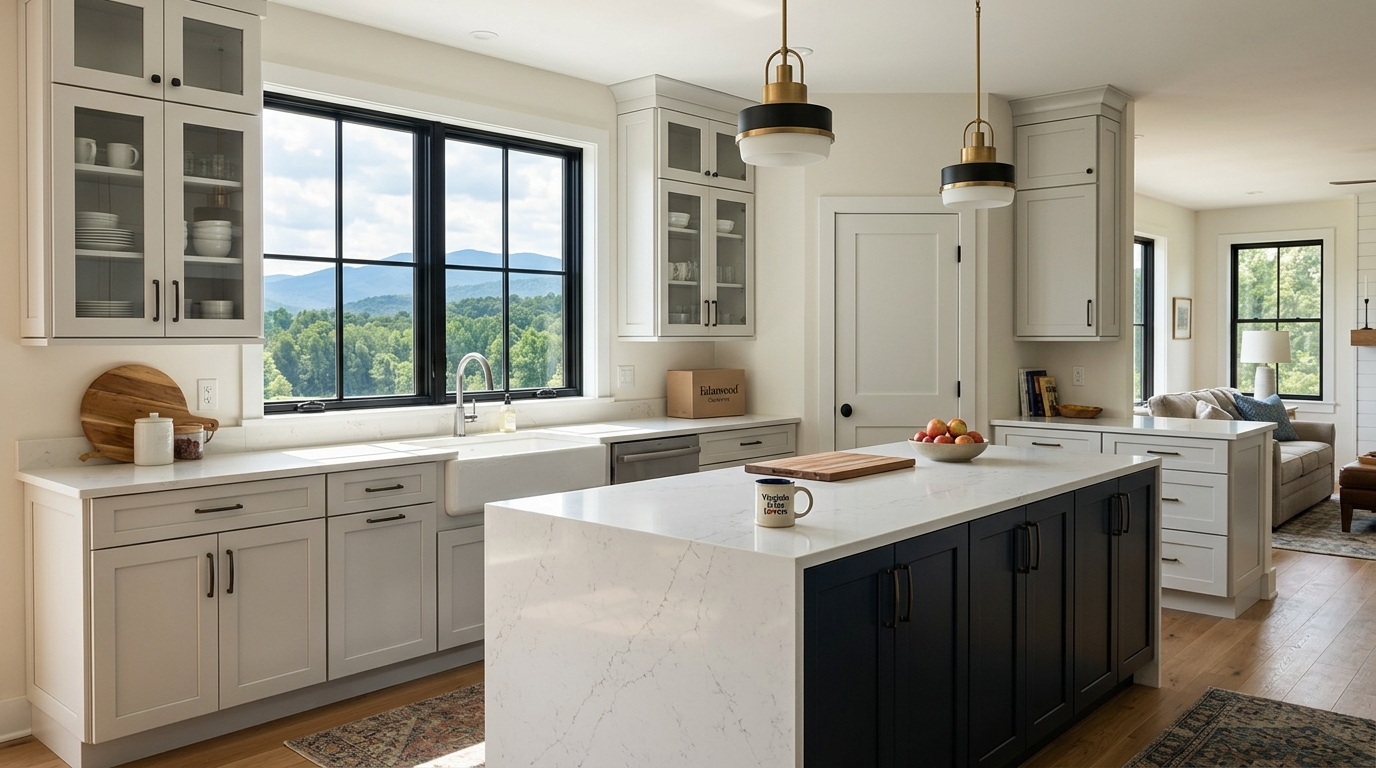
Fabuwood is often a strong match when:
- You want a mid-range upgrade with a more premium look
- You want classic styles with modern finish options
- You want value without going fully custom
- You plan to invest in good layout and installation quality
It may be less ideal when:
- You need highly unusual dimensions or extreme customization
- You want a very specific boutique finish that requires true custom work
- Your project requires ultra-fast delivery with zero assembly or staging tolerance
A Practical Buying Checklist
Before you commit, confirm:
- Your kitchen measurements are accurate (multiple points)
- Appliances are selected and dimensions are locked
- You have a layout plan that includes fillers and panels
- You understand the assembly route (RTA vs assembled)
- Drawer and hinge quality matches your expectations
- The finish works in your real lighting, not just online photos
- Installation is planned to a professional standard
At House of cabinet, we recommend choosing cabinets the same way you’d choose flooring or stone: evaluate them in the context of the whole room and the whole project, not as a standalone product.
Final Verdict
Fabuwood kitchen cabinets can be a smart choice when you want a strong blend of style, value, and practical performance. The best results come when you pair a timeless door profile with a finish that fits your home’s lighting, then commit to clean storage planning and precise installation.
If you want, send the next link and I’ll keep the same standard: yalın, özgün, kapsamlı, and ready to publish under House of cabinet.